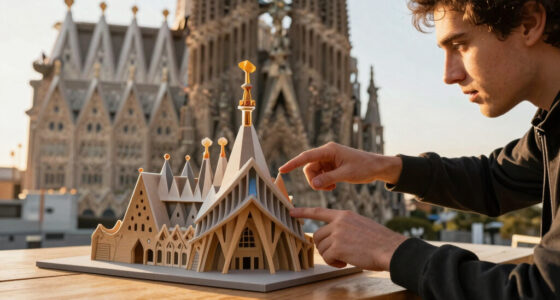
Parametric design and generative architecture use algorithms to help you explore complex, innovative forms that traditional methods might not achieve. You can quickly generate intricate structures, optimize material use, and customize designs precisely with digital tools. These approaches foster collaboration among multidisciplinary teams and connect design directly to fabrication processes like 3D printing or robotic assembly. If you continue exploring, you’ll discover how these techniques are revolutionizing architecture and opening new possibilities for your projects.

Get art and craft supplies delivered free with Prime
- Fast, free delivery on millions of items
- Prime Video, Amazon Music and more included
- Member-only deals all year
Key Takeaways
- Parametric design uses algorithms to create complex, adaptable architectural forms beyond traditional methods.
- Generative architecture leverages computational processes to explore innovative, intricate design solutions.
- Digital fabrication translates algorithmically generated designs into precise physical structures efficiently.
- Integration of design and fabrication enhances customization, reduces waste, and improves structural performance.
- These approaches enable groundbreaking architectural innovations through collaboration, sustainability, and computational creativity.
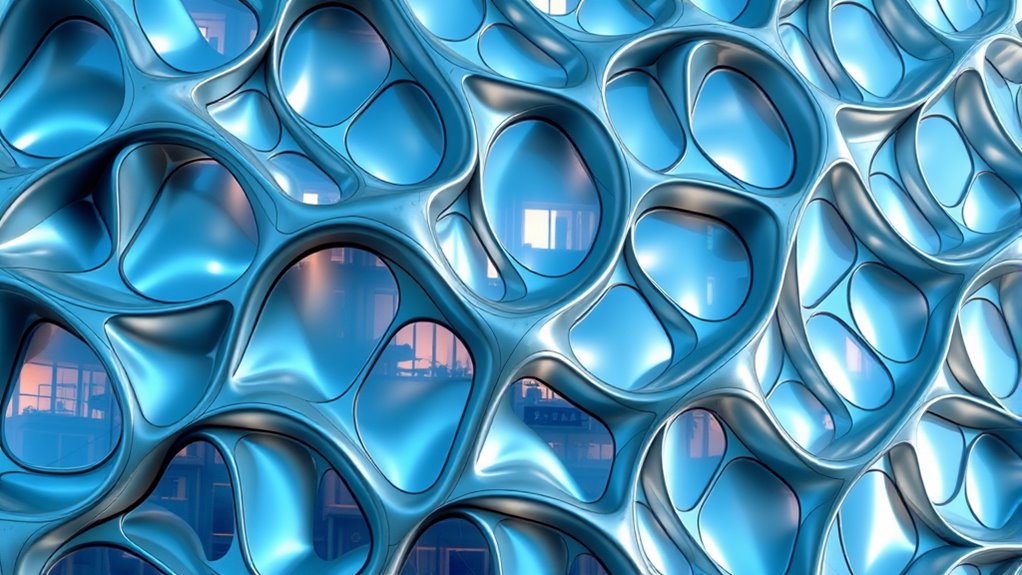
Parametric design and generative architecture are transforming how we conceive and create built environments. These innovative approaches leverage the power of algorithms to push the boundaries of traditional architecture, enabling you to explore complex forms and structures that were once impossible to realize. At the heart of this transformation is algorithmic creativity, which allows you to generate intricate designs through computational processes. This process not only accelerates design workflows but also opens up new avenues for experimentation, giving you the flexibility to manipulate form, function, and materiality in ways that are highly responsive to context and user needs. Additionally, the integration of digital fabrication techniques ensures that these complex designs can be efficiently translated into physical structures with high precision. digital fabrication plays an essential role in bringing these algorithmically generated designs to life. Once you’ve developed a parametric model, digital fabrication techniques such as 3D printing, CNC milling, or robotic assembly enable you to translate complex geometries directly into physical structures. This seamless integration between design and fabrication reduces errors, shortens production times, and allows for greater precision in constructing intricate forms. You can tailor each element to specific performance criteria or aesthetic goals, knowing that digital fabrication ensures your vision is faithfully realized. This synergy between parametric design and digital fabrication empowers you to create buildings and components that are both innovative and practical, blurring the lines between digital and physical domains. Moreover, algorithmic creativity fosters a collaborative design process. By utilizing computational tools, you can involve multidisciplinary teams—engineers, architects, fabricators—in a shared digital environment. This collaborative approach enhances problem-solving, as each participant contributes insights that refine the design iteratively. It also encourages sustainable practices, as algorithms can optimize material usage and structural performance, reducing waste and environmental impact. As you embrace these technologies, you become part of a dynamic design ecosystem where creativity is amplified by computational intelligence, and the possibilities for architectural innovation are virtually limitless. Ultimately, understanding and harnessing the synergy between algorithmic creativity and digital fabrication will define the future of architecture. You’re no longer confined by traditional constraints but empowered to experiment freely, knowing that your ideas can be efficiently translated into tangible, groundbreaking structures. This paradigm shift is opening new frontiers, where design becomes a seamless dialogue between imagination, computation, and fabrication—redefining what’s possible in shaping the built environment.
As an affiliate, we earn on qualifying purchases.
Frequently Asked Questions
What Are the Main Software Tools Used in Parametric Design?
You mainly use software like Rhino with Grasshopper, which excels in parametric modeling and allows seamless software integration. Dynamo for Revit is another popular tool, enabling you to create complex forms within the BIM environment. Additionally, Autodesk’s Fusion 360 offers powerful parametric modeling features, while Catia and SolidWorks are used for highly detailed design work. These tools help you quickly adapt and refine your designs through flexible parametric control.
How Does Generative Architecture Improve Sustainability?
Generative architecture acts like a gardener, fostering growth tailored to its environment. It improves sustainability by optimizing energy use and enhancing material efficiency, reducing waste and environmental impact. You benefit from designs that adapt to natural conditions, lowering energy consumption and encouraging eco-friendly choices. This approach guarantees structures are not only innovative but also responsible, aligning your projects with a greener future while maximizing resource efficiency.
Can Parametric Design Be Applied to Interior Architecture?
Yes, you can apply parametric design to interior architecture by leveraging parametric workflows to create highly customizable spaces. This approach allows you to adapt layouts, furniture, and aesthetic elements quickly, tailoring interiors to specific needs and preferences. You gain greater control over complex geometries and design variations, making interior customization more efficient and innovative. Embracing these techniques helps you deliver unique, functional, and aesthetically pleasing interior environments.
What Are Common Challenges Faced During Generative Design Processes?
You often face challenges like managing design complexity, which can make your process overwhelming, and dealing with computational limitations that slow down your workflow. These issues can hinder your ability to explore innovative ideas freely. To overcome them, you need to optimize your algorithms, simplify models when possible, and guarantee your hardware is capable of handling complex calculations efficiently. Staying adaptable helps you navigate these common generative design hurdles.
How Do Designers Balance Creativity and Algorithmic Constraints?
You might think that algorithmic constraints limit your creativity, but they actually help you stay within creative boundaries while exploring innovative ideas. To balance creativity and algorithmic flexibility, you can set clear goals and experiment with adjusting parameters. Embrace the constraints as a way to challenge yourself, pushing your designs further. By doing this, you harness the power of algorithms to inspire original solutions without sacrificing your creative vision.
CNC milling machines for model making
As an affiliate, we earn on qualifying purchases.
As an affiliate, we earn on qualifying purchases.
Conclusion
You might think parametric and generative design are too complex or impractical, but they actually empower you to create innovative, efficient structures effortlessly. By embracing these tools, you can push boundaries and realize designs that were once impossible. Don’t let doubts hold you back—these methods are accessible and transformative, allowing you to craft unique solutions tailored to your vision and needs. Step into the future of architecture with confidence and creativity.
As an affiliate, we earn on qualifying purchases.
robotic assembly tools for construction
As an affiliate, we earn on qualifying purchases.
As an affiliate, we earn on qualifying purchases.
Halloween Picks
halloween
As an affiliate, we earn on qualifying purchases.