Soundscapes in museums create immersive, multisensory experiences by adding authentic audio elements to visual exhibits. By incorporating ambient sounds, narration, and music, you can deepen engagement, evoke emotions, and bring history to life in a memorable way. Thoughtfully designed soundscapes enhance understanding and appeal to diverse visitors’ senses, transforming a simple visit into an enriching journey. To discover how these immersive environments are reshaping museum experiences, explore further insights below.
Key Takeaways
- Soundscapes create immersive environments that complement visual displays, making exhibits more engaging and memorable.
- Incorporating authentic audio enhances historical accuracy, bringing exhibits to life with realistic sounds from specific eras or locations.
- Layered audio elements—ambient sounds, narration, music—capture visitors’ attention and deepen understanding of visual content.
- Soundscapes appeal to diverse learning styles and sensory needs, increasing accessibility and overall visitor satisfaction.
- Strategic use of audio transforms museum visits into sensory-rich journeys, fostering emotional connection and active participation.
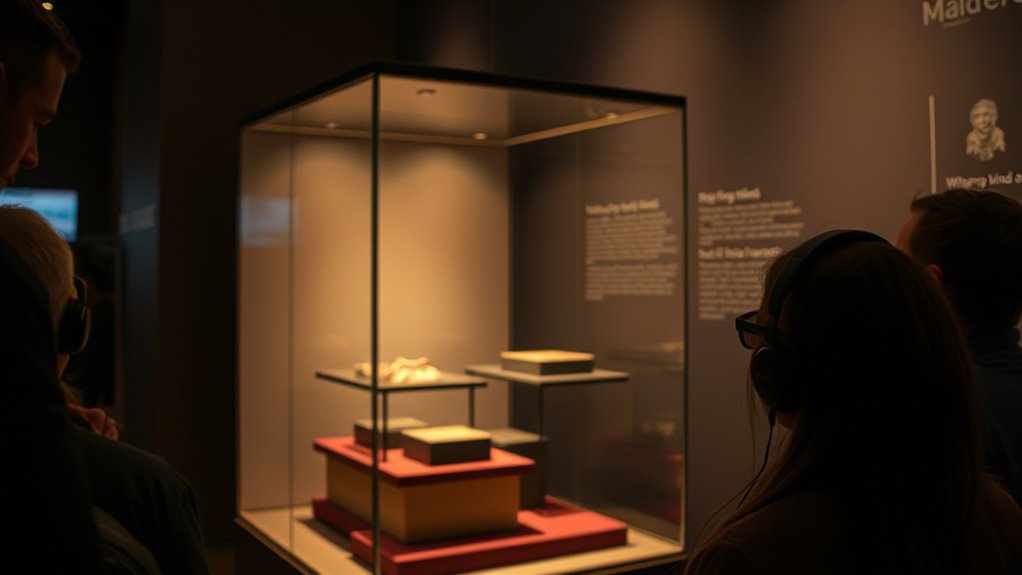
Soundscapes in museums are transforming the way visitors experience exhibits by immersing them in curated auditory environments. By integrating audio with visual displays, you can create a more dynamic and memorable visit. One key aspect that enhances this experience is understanding historical acoustics—the way sounds traveled and were perceived in different periods and spaces. When you incorporate authentic sound elements based on historical acoustics, you bring history to life, allowing you to hear what it might have sounded like during a specific era. This approach not only adds depth to the exhibit but also helps you connect emotionally with the past. For example, hearing the bustling sounds of a medieval marketplace or the whispers inside an ancient temple transports you directly into those environments, making the experience more tangible.
Using soundscapes also boosts visitor engagement. When you add layered audio—such as ambient sounds, narration, and musical pieces—your attention is naturally drawn to the exhibit. This multisensory approach keeps you more involved and curious, encouraging longer and more meaningful interactions. Instead of passively viewing artifacts, you become part of an immersive story, which enhances your understanding and retention of information. Museums that leverage this technology often see increased visitor satisfaction because it appeals to a range of learning styles. Auditory stimulation complements visual information, making exhibits accessible to those with different preferences or sensory needs.
Moreover, you benefit from carefully crafted soundscapes that are contextually relevant. For instance, if you’re exploring a natural history exhibit, you might hear the sounds of rainforest fauna or ocean waves, heightening your sensory immersion. These audio environments are designed with precision, often based on research into authentic sound recordings or reconstructed acoustics from specific periods or locations. This intentional attention to detail ensures the soundscape feels genuine and enhances your overall experience. In addition, the integration of sound can guide you through exhibits intuitively, highlighting important features or transitions, which helps you stay engaged and focused.
Ultimately, the strategic use of soundscapes rooted in historical acoustics and aimed at increasing visitor engagement transforms how you connect with exhibits. It turns a simple visit into an active, sensory-rich journey through time and space. As museums continue to adopt this innovative approach, you’ll find that your understanding deepens and your experience becomes more vivid, making each visit truly memorable.
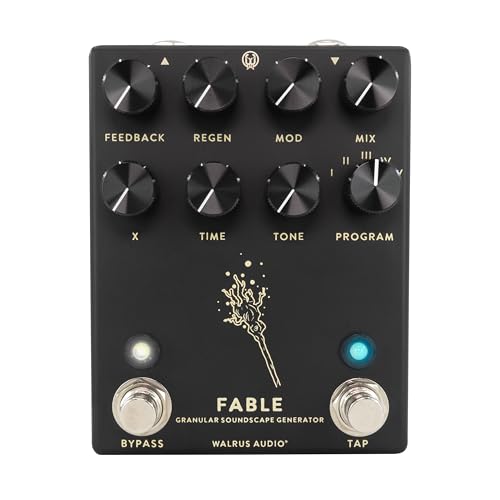
Walrus Audio Fable Granular Soundscape Generator, Black
Centered around sample and chop algorithms
As an affiliate, we earn on qualifying purchases.
As an affiliate, we earn on qualifying purchases.
Frequently Asked Questions
How Do Soundscapes Impact Visitor Engagement and Learning?
When you experience soundscapes, you deepen your emotional connection to exhibits, making your visit more meaningful. They create an immersive experience that captures your attention and encourages you to explore further. This heightened engagement boosts learning, as you’re more likely to remember details and feel connected to the content. Overall, soundscapes transform passive observation into active participation, enriching your museum visit with emotional depth and educational value.
What Are the Best Practices for Integrating Soundscapes Into Exhibits?
Imagine you’re designing an exhibit with immersive sound. To do this effectively, you should focus on acoustic layering, blending ambient narration with natural sounds to create depth. For example, a historical display about a rainforest could include bird calls and rustling leaves. Use subtle sound levels so they don’t overpower visuals, and guarantee sound quality is clear. Proper integration enhances visitor experience without distracting from the main exhibit.
How Do Soundscapes Accommodate Visitors With Hearing Impairments?
You can make soundscapes more inclusive for visitors with hearing impairments by offering assistive listening devices, allowing clearer audio access. Additionally, providing captioned audio guarantees everyone can understand the sounds and narration. These tools help you create a welcoming environment, enabling all visitors to fully engage with the exhibit. Incorporate these features thoughtfully to enhance accessibility and ensure a richer, more inclusive museum experience.
What Equipment Is Necessary to Create Effective Museum Soundscapes?
Imagine painting with sound, where every note adds depth to your exhibit. To create effective museum soundscapes, you need high-quality audio equipment. This includes reliable playback devices like speakers or headphones that deliver clear, immersive sound. Good audio quality guarantees visitors feel transported, while the right playback devices assure consistent, crisp audio experiences across different spaces, making your exhibit truly come alive with rich, engaging sound.
How Can Soundscapes Be Customized for Different Exhibit Themes?
You can customize soundscapes for different exhibit themes by focusing on cultural authenticity and maintaining thematic consistency. Select authentic sounds that reflect the exhibit’s cultural background, ensuring they resonate with visitors. Match the audio content to your exhibit’s story, creating a seamless experience. Adjust volume levels and sound layers to enhance immersion without overwhelming visuals. This tailored approach makes your exhibit more engaging, memorable, and true to its cultural context.

Retekess T130U(4nd Gen T130) Wireless Tour Guide System, Clear Sound Quality Tour Guide Headsets, 200m/656ft, Stable Signal, Assistive Listening System for Travel Groups(2 Transmitters 32 Receivers)
EFFORTLESS ONE-TOUCH CONTROL; Simultaneous Interpretation System; enhance your travel adventures with tour guide system; with the ability to…
As an affiliate, we earn on qualifying purchases.
As an affiliate, we earn on qualifying purchases.
Conclusion
Imagine your museum as a living garden, where soundscapes are the gentle rain nourishing each exhibit. They awaken hidden stories, weaving a symphony that pulls visitors into a vibrant, immersive world. As you embrace this harmony, your exhibits transform into lush landscapes of sound and sight, inviting exploration and wonder. Just like a garden thrives with care, your museum blossoms with the power of audio, creating a mesmerizing sanctuary where every visitor becomes part of the ongoing melody.

Audience Sound Machine with 16 Cheers, Boos, Applause, Cheering, Cricket Noises, Rim Shot, Record Scratch – Portable Electronic Audience Themed Sound Maker for Kids with 16 Effects – Practical Joke
16 UNIQUE AUDIENCE THEMED SOUNDS – Sounds include Applause, Cheering, Laughing, Booing, Aww, Shh, Oooh, Awww (Disappointed), Gasping,…
As an affiliate, we earn on qualifying purchases.
As an affiliate, we earn on qualifying purchases.
multisensory exhibit audio system
As an affiliate, we earn on qualifying purchases.
As an affiliate, we earn on qualifying purchases.