Street art is transforming neglected urban spaces into vibrant spots that reflect community identity and boost local economies. When you support murals and graffiti, you help revitalize neighborhoods, attract visitors, and create a sense of pride among residents. Artists involve locals in murals, fostering ownership and social cohesion. These art projects challenge perceptions, inspire community dialogue, and drive sustainable urban growth. Keep exploring how street art can keep reshaping our cities in inspiring ways.

Get art and craft supplies delivered free with Prime
- Fast, free delivery on millions of items
- Prime Video, Amazon Music and more included
- Member-only deals all year
Key Takeaways
- Street art revitalizes neglected neighborhoods by transforming decayed spaces into vibrant cultural hubs.
- It fosters community engagement, giving residents a sense of ownership and pride in their environment.
- Murals attract visitors and boost local economies through increased foot traffic and tourism.
- Street art communicates social issues and local history, strengthening community identity and cohesion.
- It supports sustainable urban growth by challenging perceptions and encouraging ongoing neighborhood development.
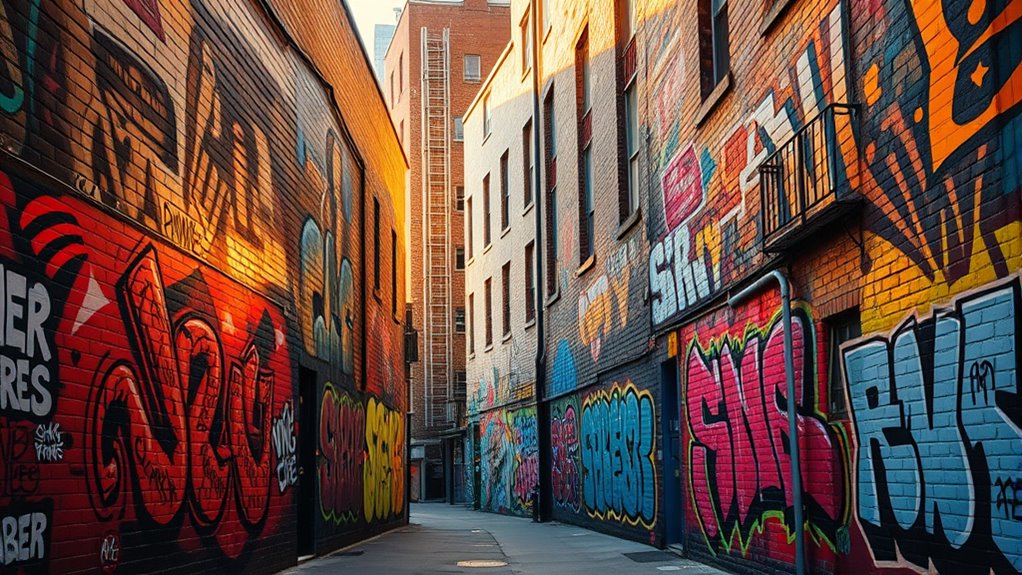
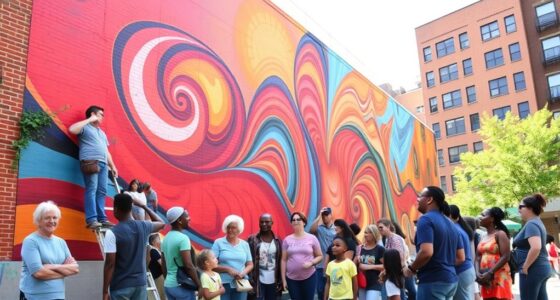
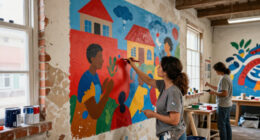
Street art has become a powerful catalyst for urban regeneration, transforming neglected neighborhoods into vibrant cultural hubs. When you step into areas once marred by decay or disrepair, you’ll notice how murals and graffiti breathe new life into these spaces. This transformation isn’t just about aesthetics; it’s about fostering community engagement. As local artists and residents come together to create these works, they build a sense of ownership and pride. People start to see their neighborhood through a different lens, feeling more connected and invested in its future. This active participation turns passive observers into stakeholders, encouraging ongoing efforts to maintain and improve the area. Additionally, incorporating digital tools and data analysis can enhance the planning and impact of street art initiatives, making regeneration efforts more targeted and effective. Recognizing how community involvement directly influences the success of these projects underscores their importance for sustainable development. Moreover, understanding the economic benefits of street art can motivate local governments to invest in these initiatives, further supporting community-led growth. Furthermore, the integration of local history and culture into murals enriches neighborhood identity and fosters a deeper connection among residents. Incorporating science and technology into street art projects can also improve durability and visual impact, ensuring these artworks remain vibrant over time.
Street art revitalizes neighborhoods, fostering community pride and active engagement in urban renewal efforts.
Community engagement through street art also ignites economic revitalization. When murals appear, they attract visitors, photographers, and tourists, enthusiastic to explore the new cultural landmarks. Small businesses in the vicinity often experience a boost as foot traffic increases, and new ventures may sprout up around these revitalized zones. Artists themselves can benefit financially, either through commissions or by selling artwork inspired by the murals. Over time, the neighborhood’s reputation shifts from an overlooked space to a must-visit destination, drawing investment and development. This influx of resources helps fund further improvements, creating a cycle of growth that benefits the entire community.
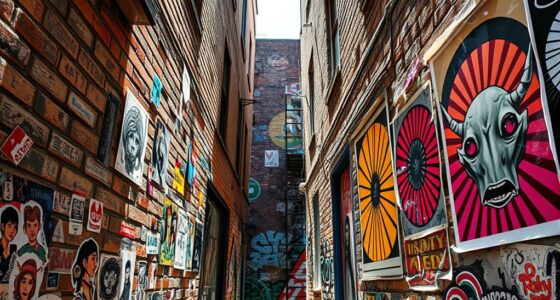
Moreover, street art acts as a visual narrative that communicates local history, struggles, and aspirations. You’ll find murals that celebrate cultural diversity, commemorate important figures, or highlight social issues. These artworks serve as a form of public dialogue, inviting residents and visitors alike to reflect and engage with the community’s story. This sense of shared identity fosters social cohesion and resilience, making neighborhoods less vulnerable to decline. As residents see their stories and values reflected in the street art, they feel more connected, motivated to participate in neighborhood initiatives, and invested in long-term regeneration efforts.
In addition to fostering community bonds, street art can spark a sense of renewal that goes beyond the visual. It challenges perceptions of a neighborhood and invites new conversations about its potential. When you witness these vibrant murals, you’re witnessing a collective effort to reclaim space and promote a positive image. This cultural shift often encourages local authorities and investors to support further initiatives, knowing that street art can be a strategic tool for sustainable urban development. Ultimately, street art’s ability to engage communities and stimulate economic revitalization makes it a crucial element in urban regeneration, transforming rundown districts into thriving, dynamic places where people want to live, work, and explore.
As an affiliate, we earn on qualifying purchases.
Frequently Asked Questions
How Do Local Residents Perceive Street Art in Their Neighborhoods?
You might notice that local residents often have mixed feelings about street art. Some embrace it, seeing it as a form of community acceptance and a way to celebrate local culture. Others may feel it disrupts the neighborhood’s aesthetic or causes concern about vandalism. Overall, residents tend to appreciate street art’s cultural impact when it reflects their identity, fostering pride and engagement, but opinions vary depending on the artwork and context.
What Legal Challenges Do Artists Face When Creating Urban Murals?
When creating urban murals, you face legal challenges like vandalism penalties if you don’t have proper permission. You need to navigate complex licensing procedures, which can be be time-consuming and restrictive. Without the right approvals, your artwork might be considered illegal, risking fines or removal. To avoid these issues, it’s essential to secure permits beforehand and understand local laws, ensuring your street art contributes positively to urban spaces.
How Is Street Art Funded in Regeneration Projects?
Imagine you’re in a 1920s speakeasy, but today, street art in regeneration projects gets funded through a mix of public funding and private sponsorship. You’ll see city governments allocate grants or support, while local businesses and private donors contribute through sponsorship deals. This blend helps artists create impactful murals, transforming neighborhoods. Your involvement can even influence funding decisions, turning blank walls into vibrant symbols of community renewal.
Can Street Art Influence Property Values Significantly?
You might wonder if street art can really impact property values. It definitely influences neighborhood aesthetics, making areas more vibrant and attractive. When street art is well-executed and enhances the visual appeal, it can boost property value impacts by attracting visitors and potential buyers. However, the overall effect depends on the art’s quality and location. In some cases, it can revitalize communities and increase economic activity, benefiting property values over time.
What Are Examples of Successful Street Art-Led Urban Transformations?
Imagine a city reborn through vibrant murals and creative murals—examples like Berlin’s East Side Gallery or Philadelphia’s Mural Arts Program showcase how street art sparks urban transformation. You see community engagement and cultural preservation at work, turning neglected spaces into landmarks. These projects attract tourism, boost local pride, and foster connections, proving street art’s power to revitalize neighborhoods while honoring their unique histories and identities.
As an affiliate, we earn on qualifying purchases.
Conclusion
As you see, street art acts like a spark igniting renewal in forgotten neighborhoods. Take Philadelphia’s Mural Arts Program, which transformed empty walls into vibrant stories, boosting local pride and economy—proof that art can breathe new life into old spaces. Just like a mural turns blank walls into powerful canvases, street art can turn neglected areas into thriving communities, proving that creativity truly has the power to reshape cities from the inside out.
weatherproof outdoor mural panels
As an affiliate, we earn on qualifying purchases.
As an affiliate, we earn on qualifying purchases.
As an affiliate, we earn on qualifying purchases.
Fall Picks
fall essentials
As an affiliate, we earn on qualifying purchases.