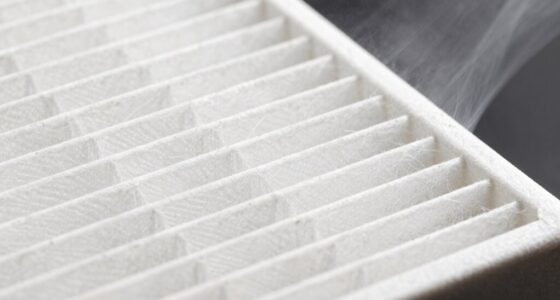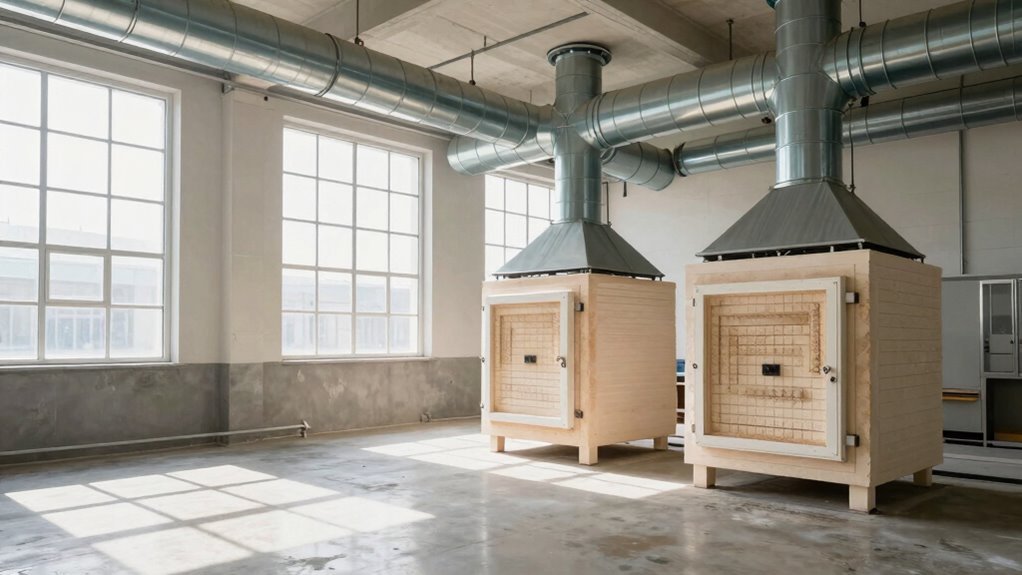

To achieve “safe air” in kiln ventilation, you need effective systems that remove toxic fumes like carbon monoxide, sulfur oxides, and VOCs while controlling heat and maintaining proper airflow. This involves selecting the right mix of exhaust fans, vents, and monitoring tools tailored to your kiln’s size and use. Proper installation, regular maintenance, and adherence to safety standards are essential. If you’d like to understand how to set up and optimize your system, continue exploring these key points.

Get art and craft supplies delivered free with Prime
- Fast, free delivery on millions of items
- Prime Video, Amazon Music and more included
- Member-only deals all year
Key Takeaways
- Proper ventilation removes toxic gases like CO, NOx, SOx, and VOCs, ensuring air quality remains within safe limits.
- Continuous air quality monitoring detects harmful fume buildup and ensures proper airflow, preventing health and safety hazards.
- Ventilation systems should be appropriately sized and maintained, with airflow rates tailored to kiln size and operation needs.
- Regular inspection and maintenance of vents, filters, and exhaust fans prevent blockages and ensure consistent removal of fumes and heat.
- Compliance with safety standards (OSHA, local regulations) requires proper installation, testing, and professional troubleshooting of ventilation systems.
As an affiliate, we earn on qualifying purchases.
Why Proper Ventilation Is Key to Safe Kiln Operation
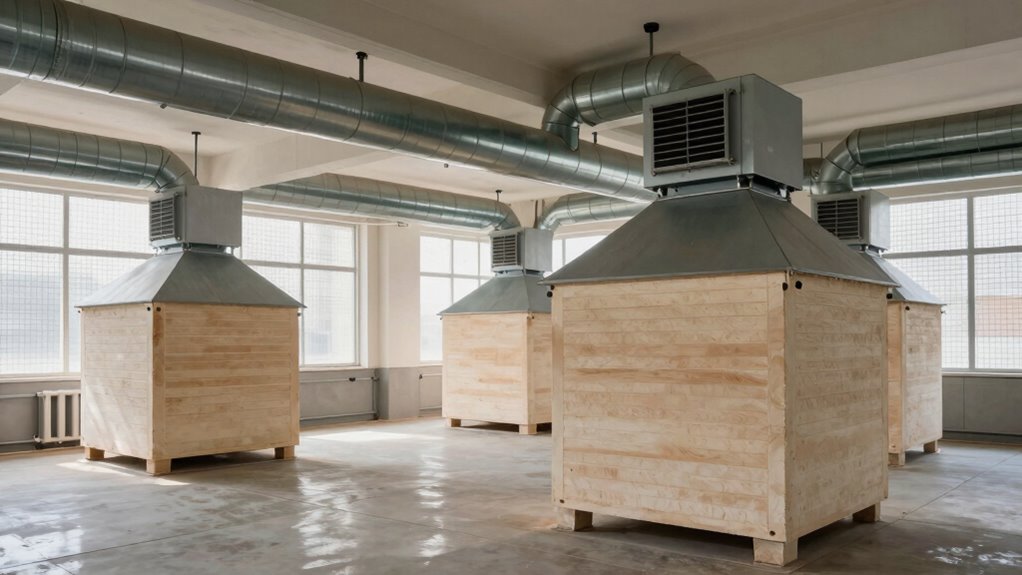
Proper ventilation is essential for safe kiln operation because it helps remove harmful fumes and excess heat. You need effective air exchange to ensure fresh air constantly replaces contaminated air inside the kiln area. High ventilation efficiency means your kiln can maintain safe temperature levels and prevent dangerous buildup of gases. When ventilation is inadequate, fumes can accumulate, increasing health risks and the chance of fire hazards. Proper airflow also helps regulate temperature more evenly, reducing stress on kiln components. Regularly evaluating and optimizing your ventilation system guarantees that harmful substances don’t linger and that heat dissipates properly. Additionally, understanding the impact of ventilation on system performance can help you make better choices for your kiln setup. Efficient airflow management is crucial for maintaining a safe environment and ensuring the longevity of your kiln equipment. Implementing adequate ventilation techniques can significantly improve overall kiln operation and safety standards. Ensuring proper maintenance of your ventilation system is also key to sustaining optimal airflow over time. Moreover, incorporating advanced filtration systems can further enhance air quality and safety during kiln operation.
As an affiliate, we earn on qualifying purchases.
What Harmful Gases and Fumes Can Your Kiln Produce?
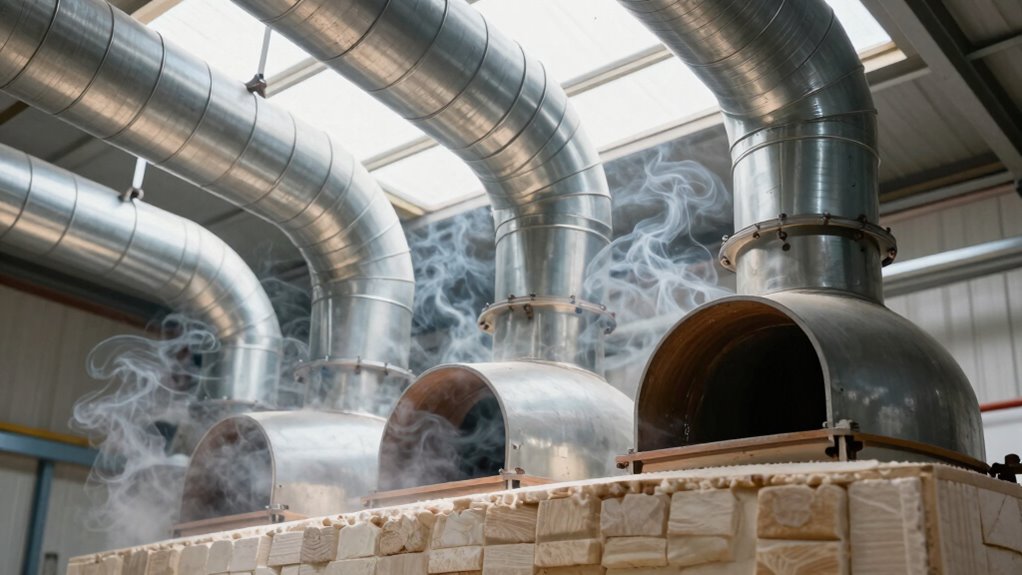
Your kiln can produce toxic gases and fumes that pose health risks if not properly ventilated. These emissions can accumulate quickly, creating dangerous working conditions. Understanding what gases are released helps you take the right steps to keep your space safe. Additionally, microplastics in dust from surrounding materials can also become airborne, further impacting indoor air quality. Proper ventilation systems can significantly reduce exposure by efficiently removing these harmful substances and maintaining air quality standards. Ensuring good ventilation design is essential for controlling and dispersing these toxic pollutants effectively. Implementing air filtration systems can further enhance air cleanliness by capturing fine particles before they circulate, thereby protecting both health and equipment.
Toxic Gas Emissions
When firing a kiln, it can produce a variety of harmful gases and fumes that pose health and safety risks. These emissions include sulfur oxides, nitrogen oxides, carbon monoxide, and volatile organic compounds, which can be dangerous if inhaled. Proper air filtration is essential to remove or reduce these toxic gases before they accumulate in your workspace. Additionally, odor control measures help manage the strong, unpleasant smells that often accompany kiln firing, preventing them from spreading and affecting your environment. Ensuring adequate ventilation systems are in place is crucial for maintaining safe indoor air quality. By ensuring effective ventilation combined with targeted air filtration, you can minimize your exposure to these hazardous gases. This not only protects your health but also maintains a safer workspace, allowing you to focus on your craft without worrying about toxic fumes. Regular maintenance of your air filtration units ensures continued effectiveness in removing harmful emissions and keeps your workspace safe. Proper air quality monitoring can also help detect any dangerous gas buildup early, providing an additional layer of safety. Implementing proper ventilation practices can significantly reduce the risk of dangerous gas accumulation and improve overall air safety in your workspace. Additionally, understanding the types of gases produced during kiln firing can help you better select appropriate filtration and ventilation solutions.
Fume Accumulation Risks
Firing a kiln releases a mix of harmful gases and fumes that can build up quickly if not properly ventilated. Fume accumulation poses serious risks, as toxic gases like sulfur dioxide, carbon monoxide, and nitrogen oxides can reach dangerous levels. These gases can cause health issues, from headaches to severe respiratory problems. To understand the risks better, consider this table:
| Gas Type | Potential Harm |
|---|---|
| Carbon Monoxide | Asphyxiation, dizziness |
| Sulfur Dioxide | Respiratory irritation, asthma attacks |
| Nitrogen Oxides | Lung damage, decreased lung function |
Proper ventilation reduces fume accumulation, ensuring safe air quality and protecting your health during kiln operation. Additionally, understanding the capacity of your kiln and ventilation system can help you better manage fume levels and ensure safe operation.
As an affiliate, we earn on qualifying purchases.
Essential Factors for Effective Kiln Ventilation
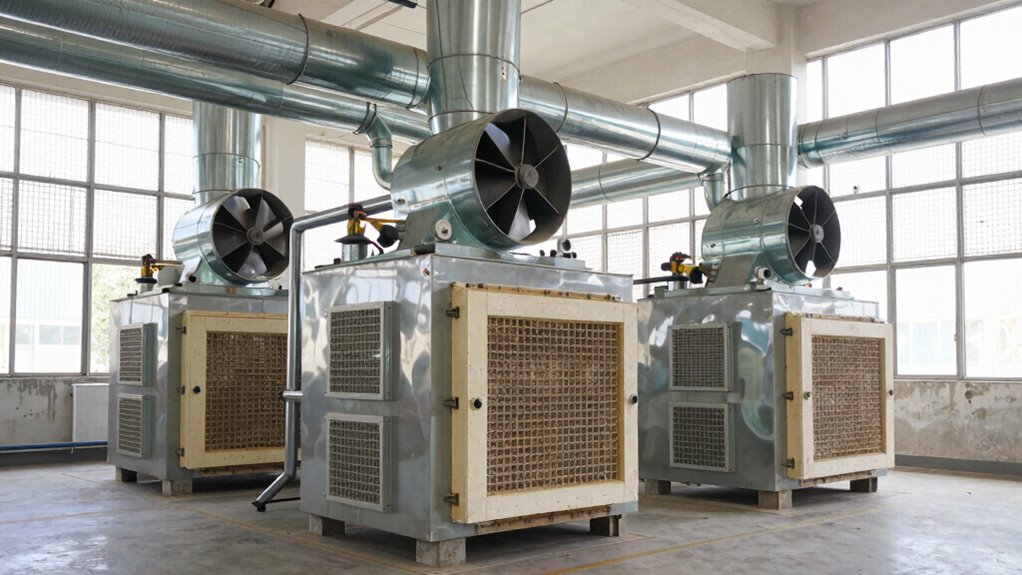
Effective kiln ventilation depends on several key factors that guarantee proper airflow and temperature regulation. First, ensuring adequate air exchange is critical; it replaces stale, contaminated air with fresh air to prevent buildup of fumes and maintain consistent conditions. Proper placement of vents and exhaust systems optimizes this exchange. Second, filter efficacy plays a crucial role in capturing harmful particles and contaminants before they escape into the environment. High-quality filters should be regularly maintained and replaced to guarantee they function effectively. Additionally, controlling airflow speed and direction helps distribute air evenly within the kiln. Incorporating airflow optimization principles can also help enhance circulation and efficiency. Understanding ventilation dynamics is essential to designing systems that adapt to varying kiln loads and operational demands. Maintaining system performance through routine inspections ensures ongoing safety and effectiveness. Proper airflow regulation is vital for achieving consistent kiln operation and preventing safety hazards. By focusing on these factors, you can create a safe, efficient ventilation system that protects both your kiln’s operation and your health.
As an affiliate, we earn on qualifying purchases.
How to Assess Your Kiln’s Ventilation Needs by Usage and Size
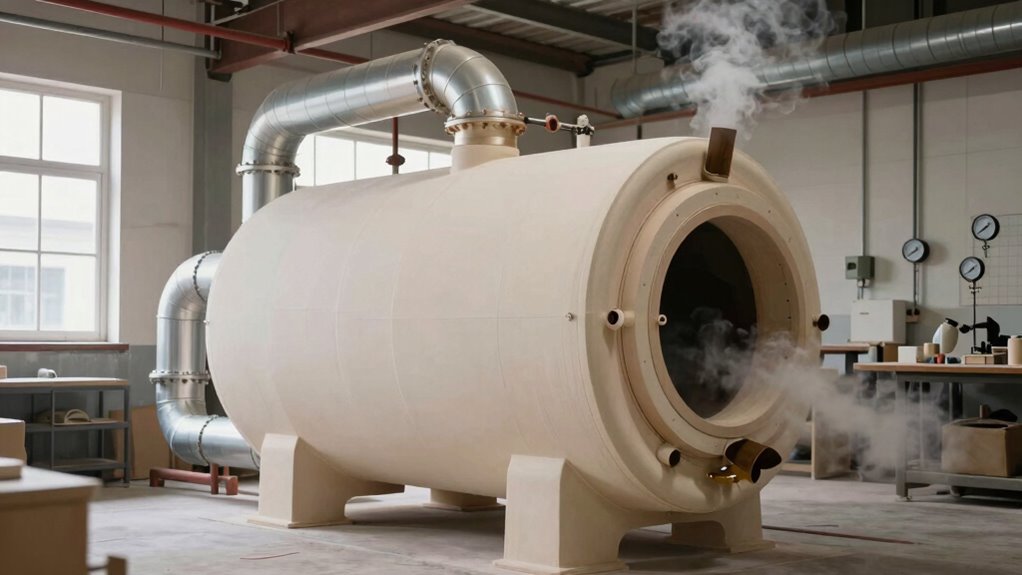
Understanding your kiln’s ventilation needs begins with evaluating how frequently and intensively you use it, as well as its size. Larger kilns generate more fumes and require better airflow, especially with frequent usage. To determine your needs, consider both kiln size and usage frequency:
| Usage Frequency | Kiln Size |
|---|---|
| Rarely | Small (up to 10 cu ft) |
| Occasionally | Medium (10–20 cu ft) |
| Regularly | Large (20+ cu ft) |
| Daily | Extra-large (40+ cu ft) |
| Multiple times daily | Custom-sized or industrial |
This table helps you match ventilation capacity to your firing schedule and kiln size, ensuring safe, effective airflow and reducing risks associated with inadequate ventilation. Proper ventilation design is essential for maintaining safe air quality during kiln operation.
Designing a Kiln Ventilation System: What You Need to Know
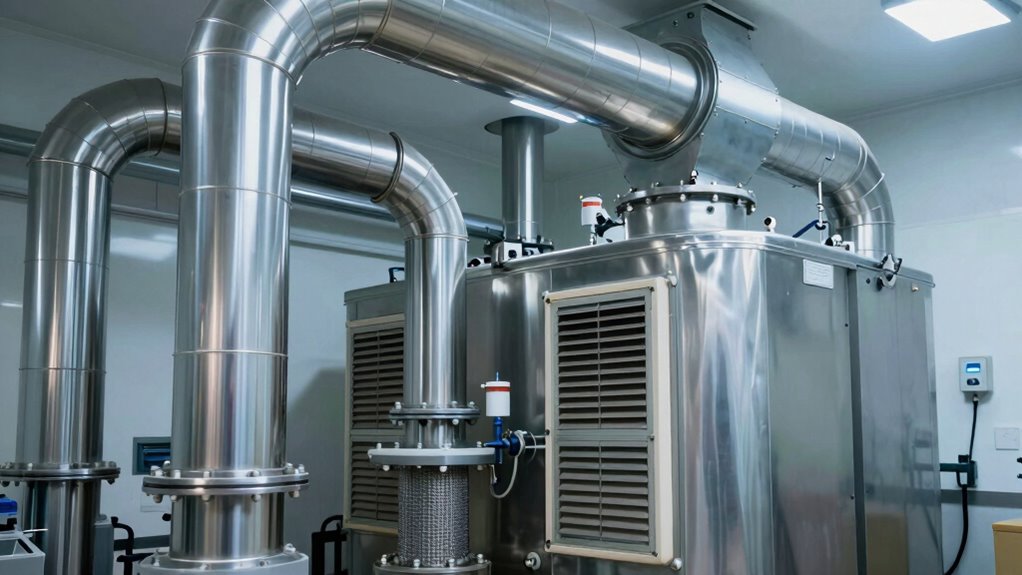
When designing a kiln ventilation system, you need to take into account the different types available and how they suit your specific setup. Pay attention to proper airflow and ventilation rates to ensure safe and efficient operation. Additionally, make sure your system meets safety and compliance standards to protect yourself and your workspace. Selecting the appropriate ventilation equipment is crucial for maintaining a safe environment.
Ventilation System Types
Have you considered the different types of ventilation systems available for kilns? Choosing the right system impacts airflow optimization and filter selection, which are essential for maintaining safe, clean air. Exhaust fans are common; they actively pull fumes and heat out of the kiln, guaranteeing proper air exchange. Passive systems, like vents and louvered openings, rely on natural airflow and are simpler but less controlled. Hybrid systems combine both approaches for better efficiency. When selecting filters, consider their ability to trap harmful particles and pollutants, matching your kiln’s specific emissions. The type of ventilation system you choose depends on your kiln’s size, usage, and safety requirements. Properly designed, it guarantees safe air quality without sacrificing energy efficiency or process performance.
Airflow and Ventilation Rates
Proper airflow and ventilation rates are critical for ensuring your kiln operates safely and efficiently. Accurate ventilation rates maintain ideal airflow patterns, preventing dangerous buildup of gases and heat. Too little airflow reduces ventilation efficiency, risking hazardous conditions, while too much can cause energy waste. To optimize your system, consider the following guide:
| Airflow Rate (CFM) | Recommended Use | Effect on Ventilation Efficiency |
|---|---|---|
| 100-200 CFM | Small kilns or testing | Ensures adequate removal of fumes |
| 200-400 CFM | Medium-sized kilns | Maintains consistent airflow |
| 400+ CFM | Large industrial kilns | Maximizes ventilation efficiency |
| Variable | Adjustable systems | Tailors airflow patterns to needs |
Adjust airflow rates based on kiln size and activity to keep airflow patterns ideal and ventilation efficient.
Safety and Compliance Standards
Ensuring your kiln’s ventilation system complies with safety and regulatory standards is essential for protecting both workers and the environment. You need to prioritize good air quality by meeting local regulations and industry guidelines. Proper ventilation efficiency guarantees harmful fumes and particulate matter are effectively removed, reducing health risks. Regular inspections and maintenance help maintain compliance and identify potential issues early. Using certified equipment and following ventilation standards guarantees your system operates safely and reliably. It’s also important to monitor airflow and pollutant levels continuously, adjusting as needed to stay within legal limits. By adhering to safety standards, you not only protect everyone involved but also promote a responsible, sustainable operation that minimizes environmental impact.
Installing and Maintaining Ventilation Equipment for Long-Term Safety
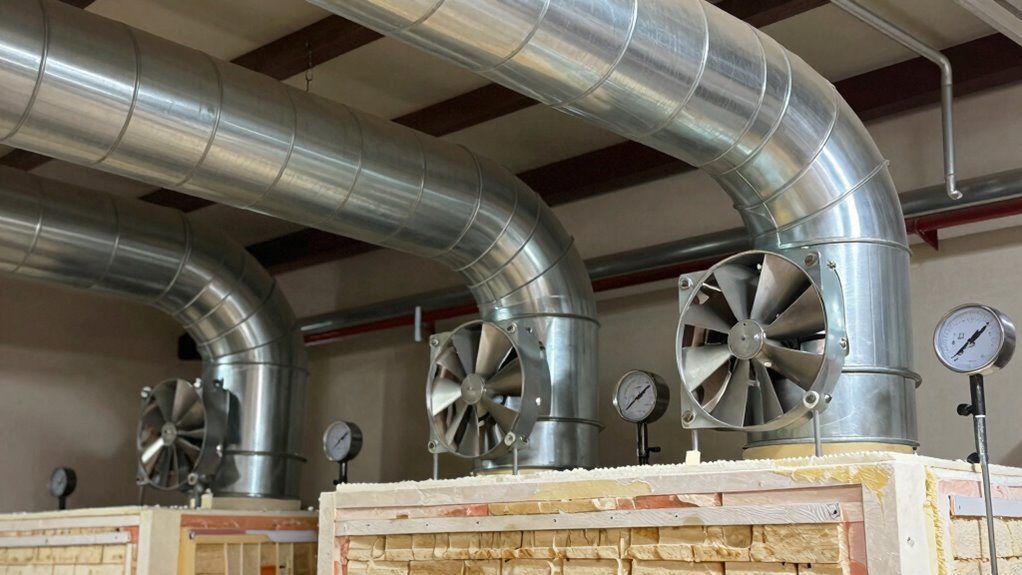
Installing and maintaining ventilation equipment for long-term safety requires regular attention to make sure it functions effectively over time. You need to routinely check air filtration systems to ensure they are trapping contaminants properly and replace filters as needed. Proper air filtration prevents buildup of harmful fumes and maintains air quality. Ventilation calibration is equally important; you should verify that airflow rates are accurate and adjust controls to maintain ideal ventilation levels. Regular calibration ensures the system delivers the right amount of fresh air and exhausts fumes efficiently. Keep detailed maintenance logs and schedule periodic inspections to identify potential issues early. By staying proactive with air filtration and calibration, you ensure your kiln’s ventilation system remains reliable, protecting your workspace and complying with safety standards.
Common Ventilation Problems and How to Fix Them

You might encounter blockages that restrict airflow, reducing ventilation efficiency. Ensuring your exhaust system is properly designed prevents these issues and keeps fumes moving safely away. Regular maintenance helps catch problems early and keeps your kiln’s ventilation working smoothly.
Identifying Ventilation Blockages
How can you tell if your kiln’s ventilation system is blocked? One sign is disrupted airflow patterns around the kiln, which can cause uneven heating or lingering fumes. Check for visible obstructions in vents, chimneys, or exhaust openings. Feel for resistance when you try to draw air through the system—if it’s difficult, there’s likely a ventilation blockage. Listen for unusual sounds like rattling or whistling, which may indicate debris or buildup. Inspect your ventilation pathways regularly to spot clogs or dirt accumulation. Recognizing these signs early helps prevent unsafe conditions and ensures proper airflow. Addressing ventilation blockages promptly keeps the kiln operating safely and maintains the quality of your firing environment.
Proper Exhaust System Design
Have you noticed that your kiln’s exhaust system isn’t working efficiently? Poor design can limit air exchange and reduce ventilation effectiveness, risking unsafe air buildup. To fix this, ensure your exhaust vent is appropriately sized and positioned to maximize airflow. Use smooth, straight ductwork without sharp bends that restrict air movement. Check that exhaust fans are powerful enough to handle the kiln’s output and are properly placed for ideal airflow. Seal leaks around joints and connections to prevent leaks and maintain consistent air exchange. Properly designing your exhaust system not only improves ventilation effectiveness but also ensures hazardous fumes are effectively removed. Regularly evaluate and adjust your setup to keep the system functioning at its best, safeguarding both your workspace and health.
Regular Maintenance Practices
Regular maintenance of your kiln’s ventilation system helps prevent common problems that can hinder airflow and compromise safety. Regularly check and clean your ventilation filters to ensure ideal filter maintenance; dirty filters restrict air exchange and reduce ventilation efficiency. Inspect ducts for blockages, debris, or damage, and remove any obstructions. Ensure fans are operating correctly—listen for unusual noises and verify airflow strength. A well-maintained system promotes consistent air exchange, removing harmful fumes and maintaining safe air quality. Schedule routine inspections and cleaning to catch issues early, preventing buildup of contaminants or corrosion. Proper filter maintenance and timely repairs keep your ventilation system functioning at its best, safeguarding both your kiln operations and your health.
Monitoring Your Kiln’s Air Quality for Safe Ventilation
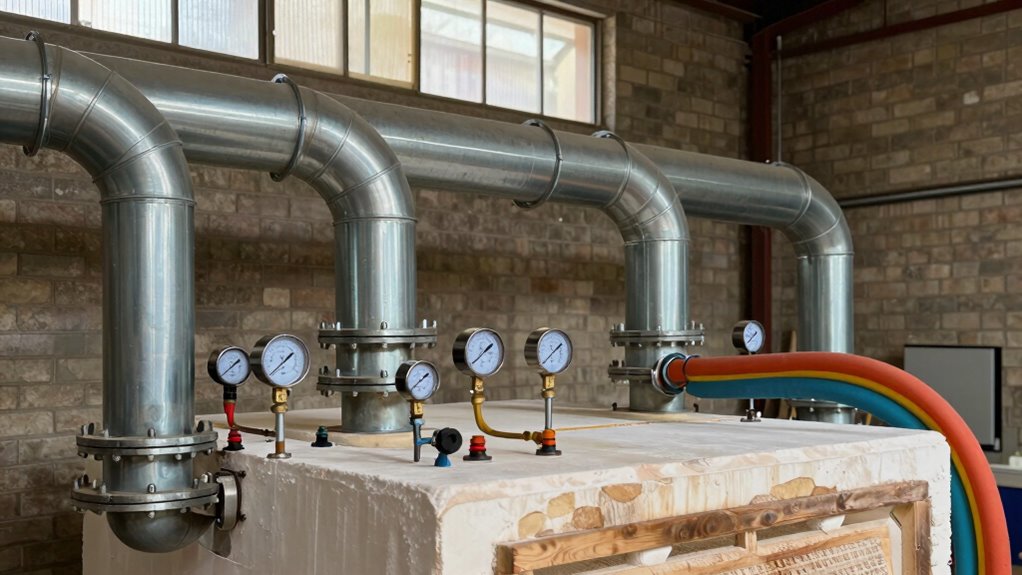
Monitoring your kiln’s air quality is vital to guarantee safe and effective ventilation during firing. By regularly checking the air, you can identify if harmful gases or particulate levels rise above safe thresholds. Use reliable air quality sensors designed for kiln environments, focusing on parameters like carbon monoxide, volatile organic compounds, and particulate matter. Proper ventilation design ensures these measurements stay within safe limits while preventing dangerous buildup. Keep an eye on airflow patterns and exhaust efficiency, adjusting your system as needed. Consistent monitoring helps you catch issues early, reducing health risks and protecting your kiln’s integrity. Ultimately, staying vigilant about air quality guarantees a safer workspace and guarantees your kiln operates at its best.
What Safety Standards and Regulations Apply to Kiln Ventilation?

Ensuring your kiln’s ventilation system complies with safety standards and regulations is key to maintaining a safe workspace and preventing health hazards. Ventilation regulations set the minimum requirements for air exchange rates, filtration, and emission controls to limit exposure to harmful fumes and particulates. Safety standards, often mandated by OSHA or local authorities, specify proper installation, maintenance, and testing protocols for ventilation systems. These regulations help prevent buildup of toxic gases and guarantee adequate airflow. It’s crucial to stay informed about the specific safety standards applicable in your area or industry. Regular inspections and adherence to these regulations protect both your health and your kiln’s operation, reducing the risk of accidents or violations. Always consult relevant codes and professional guidance to ensure compliance.
Troubleshooting Ventilation Issues: When to Call a Professional
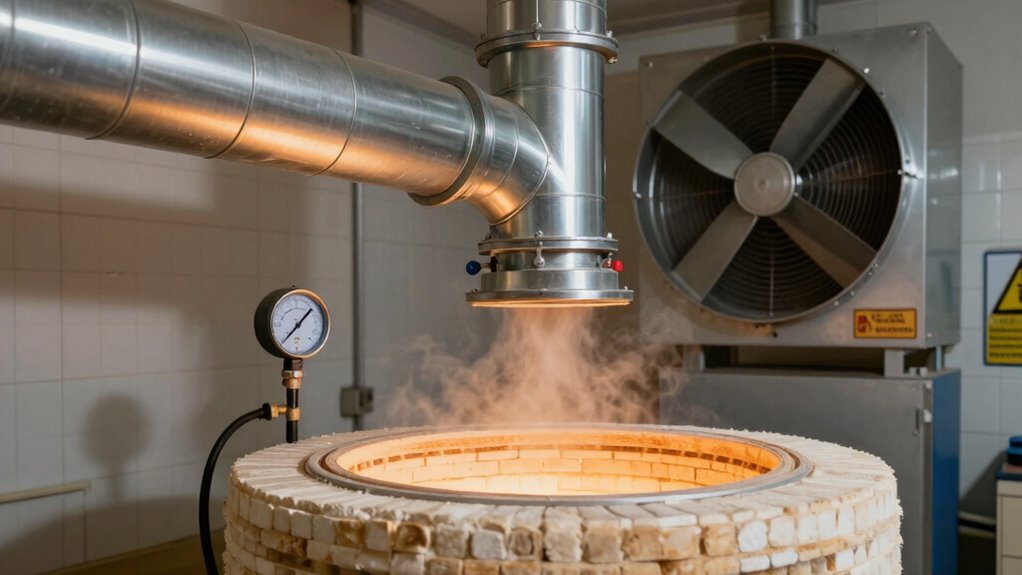
When your kiln’s ventilation system shows signs of persistent problems or doesn’t seem to operate effectively, it’s time to bring in a professional. Ignoring issues like ongoing kiln odor or broken airflow can lead to unsafe air quality and false ventilation myths. A trained technician can diagnose and fix problems such as clogged ducts, faulty fans, or inadequate exhaust. Recognize these signs before hazards develop:
| Issue | When to Call a Professional |
|---|---|
| Persistent kiln odor | Odor persists despite ventilation efforts |
| Inconsistent airflow | Airflow fluctuates or stops unexpectedly |
| Unusual noises | Strange sounds indicating mechanical failure |
| Visible duct damage | Cracks, corrosion, or disconnections |
Don’t wait—professional help ensures your kiln operates safely and efficiently.
Frequently Asked Questions
How Often Should Kiln Ventilation Systems Be Inspected and Serviced?
You should inspect and service your kiln ventilation system at least once every six months. Regular ventilation maintenance guarantees the system functions properly, removing harmful fumes and maintaining safe air quality. Keep an eye on your inspection frequency, especially if you notice any signs of blockages or inefficiency. Proper, timely maintenance prevents buildup and ensures your kiln operates safely and efficiently, protecting both your workspace and health.
Can Natural Ventilation Be Sufficient for Small Kilns?
Natural airflow can be enough for small kilns if your ventilation design is properly optimized, like a well-orchestrated symphony. You need to guarantee adequate passive airflow, with vents placed strategically to promote continuous air exchange. While this approach works in well-ventilated spaces, always monitor indoor air quality and temperature. If your kiln produces significant fumes or heat, supplement natural ventilation with mechanical systems for safety and consistent results.
What Are the Signs of Inadequate Kiln Ventilation?
You’ll notice signs of inadequate kiln ventilation through poor air exchange, such as lingering fumes, increased smoke, or a strong odor. You might also see uneven firing, temperature fluctuations, or excessive heat buildup. If you find yourself constantly adjusting vents or feeling uncomfortable around the kiln, it indicates insufficient ventilation capacity. These signs suggest you need to enhance air flow to ensure safe, effective kiln operation and maintain safe air quality.
How Does Ambient Temperature Affect Kiln Ventilation Effectiveness?
You might think ambient temperature doesn’t impact kiln ventilation, but it actually plays a key role in air exchange and temperature regulation. When it’s too hot, the air becomes less dense, reducing airflow and making it harder to vent fumes effectively. Conversely, cooler temperatures help maintain proper airflow, ensuring your kiln ventilates efficiently. So, keeping an eye on ambient conditions guarantees safe, consistent kiln operation and better air quality.
Are There Specific Ventilation Requirements for Different Kiln Types?
Yes, different kiln types require specific ventilation standards to guarantee kiln safety. For example, electric kilns need less ventilation compared to gas-fired kilns, which produce harmful gases. You should follow manufacturer guidelines and local regulations to meet these standards. Proper ventilation prevents the buildup of dangerous fumes, maintains safe ambient temperatures, and protects your health and safety during kiln operation. Always tailor your ventilation setup to your kiln’s specific type.
Conclusion
Ensuring safe kiln ventilation isn’t just about compliance—it’s about protecting yourself and your workspace. By balancing breathability with proper planning, you prevent perilous fumes from piling up. Regularly review, refine, and resolve ventilation issues promptly. Stay vigilant, verify ventilation importance, and value your ventilation victory. With mindful maintenance and measured monitoring, you’ll master the art of maintaining a safe, breathable, and beautiful kiln environment. Ventilate wisely, and your kiln will thank you!
Columbus Day / Indigenous Peoples' Day Picks
long weekend sales
As an affiliate, we earn on qualifying purchases.