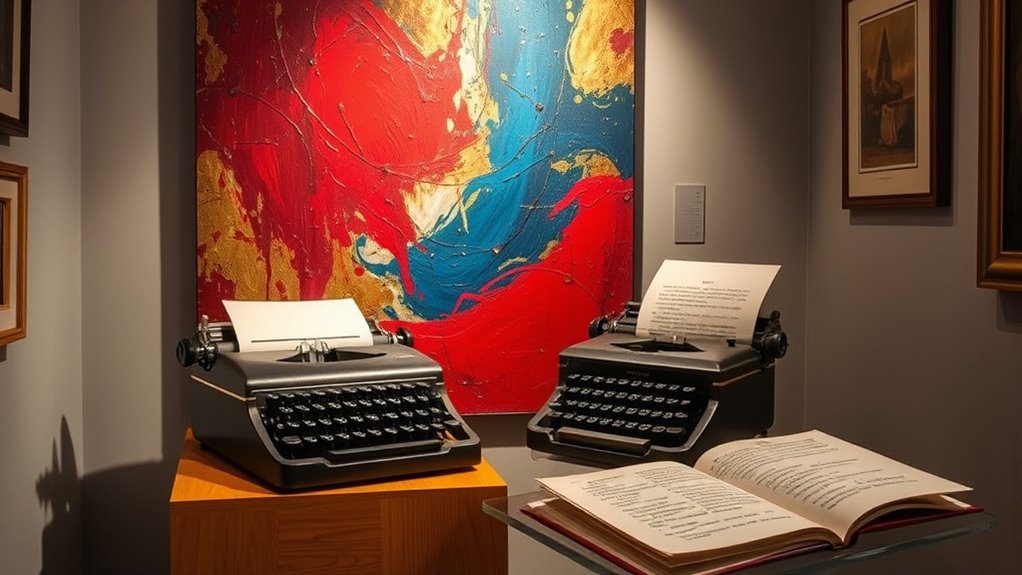

The intersection of art and literature reveals how both forms reflect and influence each other through vivid imagery, symbolism, and storytelling. You’ll see visual art conveying complex themes without words, while literature paints mental images and deepens meaning with metaphors. Both rely on symbolic language to encourage personal interpretation and emotional connection. By exploring their shared techniques, you can better understand how these creative expressions shape human experience—if you keep exploring, you’ll discover even more fascinating connections.
Key Takeaways
- Art and literature mutually influence each other through shared themes, symbolism, and visual storytelling techniques.
- Both use symbolic language—images, metaphors, colors—to convey complex ideas beyond literal meaning.
- Visual art and descriptive literature create immersive narratives that evoke emotions and provoke interpretation.
- Artistic symbols and literary devices deepen understanding and foster active engagement with themes.
- Their integration offers cultural and societal insights, reflecting human experiences across different mediums.
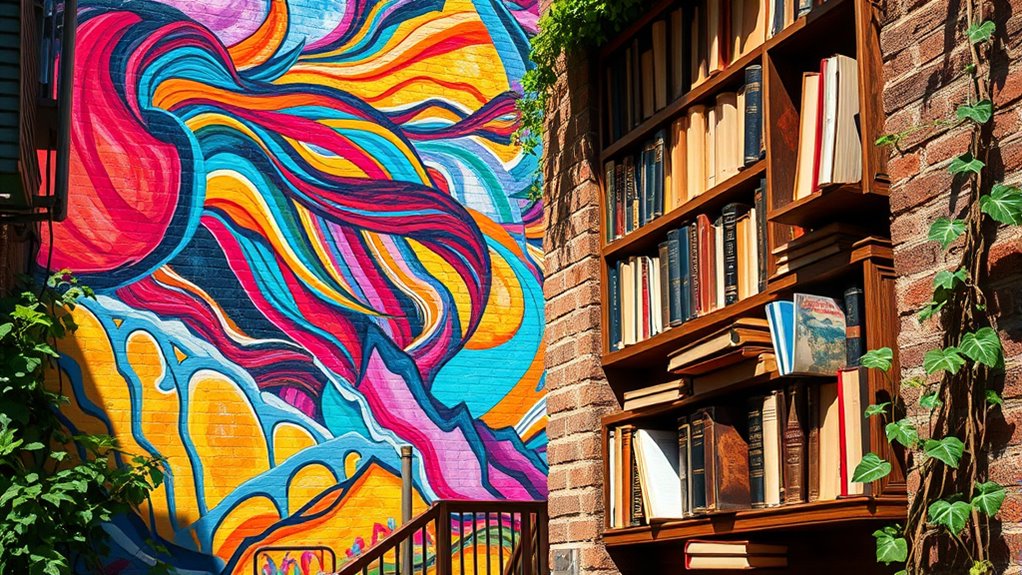
Have you ever noticed how art and literature often reflect and influence each other? It’s like they’re two sides of the same coin, constantly shaping and inspiring one another. When you look at a painting or a sculpture, you’re engaging in a form of visual storytelling that conveys emotions, ideas, and narratives without uttering a single word. Similarly, literature uses words to create vivid worlds, characters, and moments that resonate deeply within you. Both forms rely heavily on symbolic language—images, colors, metaphors, and allegories—to communicate complex truths that go beyond literal meaning. This interplay allows you to interpret stories not just through the written or spoken word but through visual cues and symbolic elements as well.
Art and literature mirror and inspire each other through symbolic language and visual storytelling, creating deeper emotional and conceptual connections.
In art, visual storytelling becomes a powerful tool for expressing ideas that might be hard to articulate verbally. Think of a mural or a series of illustrations; they guide you through a narrative, using imagery to evoke feelings and provoke thought. When artists incorporate symbolic language—like a wilted flower representing decay or a rising sun symbolizing hope—they tap into a shared visual vocabulary that transcends language barriers. This symbolic language invites you to decipher layers of meaning, making the experience of engaging with art both personal and interpretive. It’s a dialogue, happening in your mind, between the artwork’s symbols and your understanding of them.
Literature, too, leverages visual storytelling, especially in descriptive writing that paints pictures in your mind’s eye. Writers craft scenes with precision, using vivid imagery and metaphors that serve as symbolic language to deepen the narrative. A writer might describe a storm to symbolize inner turmoil or use a crumbling building to hint at societal decay. These symbols enrich the story, allowing you to read between the lines and uncover underlying themes. When you encounter such literary devices, you’re engaging in a form of visual storytelling through words, creating mental images that enhance your emotional connection to the story.
Both art and literature rely on this exchange of symbolic language and visual storytelling to communicate complex ideas efficiently and powerfully. They invite you to become an active participant in interpretation, encouraging you to look beyond the surface and explore deeper meanings. Whether through a painting’s subtle symbolism or a novel’s layered metaphors, the fusion of these creative forms offers a richer, more immersive experience. Additionally, understanding the regional differences in divorce statistics can reveal how societal factors influence personal stories and artistic expressions of human relationships. By understanding how they influence each other, you gain insight into how human expression transcends individual mediums, connecting us all through shared symbols and stories.
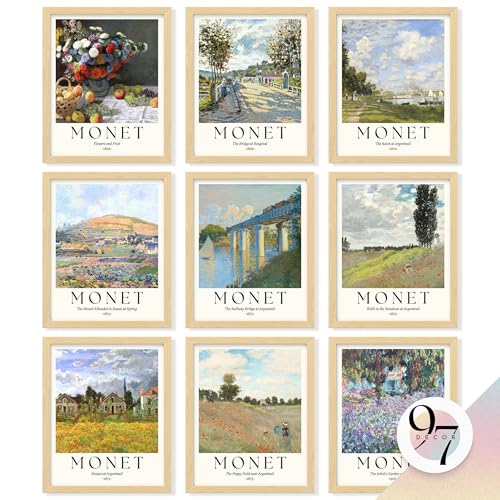
97 Decor Claude Monet Wall Art – Claude Monet Prints For Wall Decor, Vintage Monet Poster For Room Aesthetic, Impressionist Wall Art Eclectic Famous Fine Art Prints For Home Bedroom (8×10 Unframed)
Monet Wall Art: bring timeless elegance to your decor with monet wall art, including monet prints, monet poster,…
As an affiliate, we earn on qualifying purchases.
As an affiliate, we earn on qualifying purchases.
Frequently Asked Questions
How Has Digital Media Transformed Art and Literature Integration?
Digital media has revolutionized how you experience art and literature by enabling virtual galleries and interactive storytelling. You can now explore artwork from anywhere and engage with stories through multimedia elements, making the integration more immersive. This technology blurs the lines between visual art and written narratives, allowing you to actively participate in creative processes and appreciate the blend of these mediums in new, dynamic ways.
What Are the Key Historical Moments in Art-Literature Collaborations?
You might think art and literature always collaborated seamlessly, but key moments like Dante’s Divine Comedy showcase visual storytelling and poetic illustrations that revolutionized their union. The Romantics blurred lines with poetic prose and vivid imagery, while the Surrealists challenged norms through experimental visuals. These milestones highlight that, despite their differences, art and literature have long intertwined, proving that sometimes, the most profound collaborations emerge from contrast rather than harmony.
How Do Cultural Differences Influence Art and Literature Fusion?
You’ll find that cultural differences shape art and literature fusion through cultural symbolism and cross-cultural storytelling. These elements help you interpret symbols rooted in diverse traditions, enriching your understanding. When blending cultures, you connect themes, motifs, and narratives that reflect unique worldviews. This fusion fosters deeper appreciation and innovation, allowing you to see how different cultural stories and symbols intertwine, creating vibrant, meaningful artworks and literary works that resonate globally.
What Role Does Audience Interaction Play in Contemporary Works?
You find that audience interaction profoundly shapes contemporary works, making them more engaging and personal. Interactive storytelling invites you to participate actively, breaking traditional boundaries between creator and viewer. Audience participation fuels the evolution of art and literature, fostering a dynamic dialogue that influences narratives and artistic expression. This shift encourages you to become part of the creative process, creating a more immersive and memorable experience.
How Can Emerging Artists and Writers Collaborate Effectively Today?
You can collaborate effectively today by participating in collaborative workshops and engaging in cross-disciplinary projects. These platforms enable you to share ideas, learn new techniques, and build connections with artists and writers from diverse backgrounds. By staying open-minded and communicative, you foster creative synergy, transforming individual efforts into innovative works. Embrace technology and social media to find opportunities and showcase your joint projects, expanding your reach and impact in the artistic community.

A Dictionary of Literary Symbols
As an affiliate, we earn on qualifying purchases.
As an affiliate, we earn on qualifying purchases.
Conclusion
As you see, art and literature are two sides of the same coin, constantly influencing and inspiring each other. When you explore both, you realize they’re truly inseparable, like peanut butter and jelly. Embracing this connection enriches your experience and broadens your perspective. So, don’t be afraid to wear both hats—because sometimes, you’ve got to think outside the box to truly appreciate the beauty of human creativity. After all, it’s all part of the same story.

Visual Storytelling: The Art & Technique
As an affiliate, we earn on qualifying purchases.
As an affiliate, we earn on qualifying purchases.
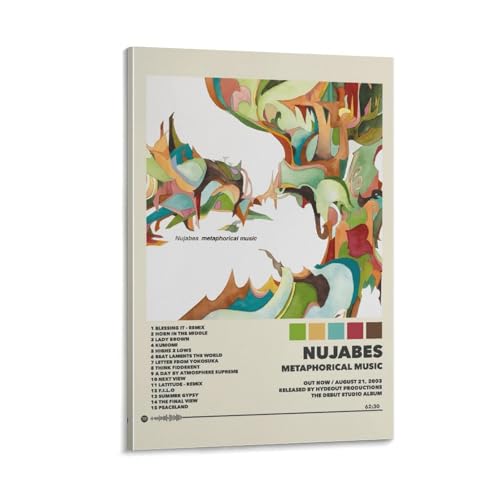
Nujabes – Metaphorical Posters & Prints on Canvas Wall Art Poster for Room Decor Frame:16x24inch(40x60cm)
HIGH-QUALITY MATERIALS:The poster made of high-density canvas, which makes the picture full of color, and does not fade,quality…
As an affiliate, we earn on qualifying purchases.
As an affiliate, we earn on qualifying purchases.