
TL;DR

Get art and craft supplies delivered free with Prime
- Fast, free delivery on millions of items
- Prime Video, Amazon Music and more included
- Member-only deals all year
The best art supplies for students balance affordability, quality, and age-appropriateness. Organizing your tools and choosing eco-friendly options can make art more fun and sustainable.
Imagine opening a box filled with vibrant colored pencils, smooth brushes, and sketchbooks bursting with blank pages. That spark of possibility — that’s what the right art supplies can do for a student. But with endless options and budgets, finding what truly helps a young artist thrive can feel overwhelming.
Whether you’re shopping for a beginner or a budding pro, knowing what supplies to prioritize makes all the difference. You’re about to learn how to pick the essentials, stay within budget, and maybe even discover some eco-friendly gems that make art more sustainable and fun.
Start with basic, versatile supplies like pencils, sketchbooks, and watercolors to build confidence.
Balance quality and budget; affordable supplies can still produce great results if chosen wisely.
Organize your art space with clear containers and labeled sections to boost creativity and reduce clutter.
Eco-friendly options are now widely available and help teach sustainability alongside art skills.
Digital tools complement traditional supplies but shouldn’t replace tactile learning for beginners.
What Are the Must-Have Art Supplies for Students?
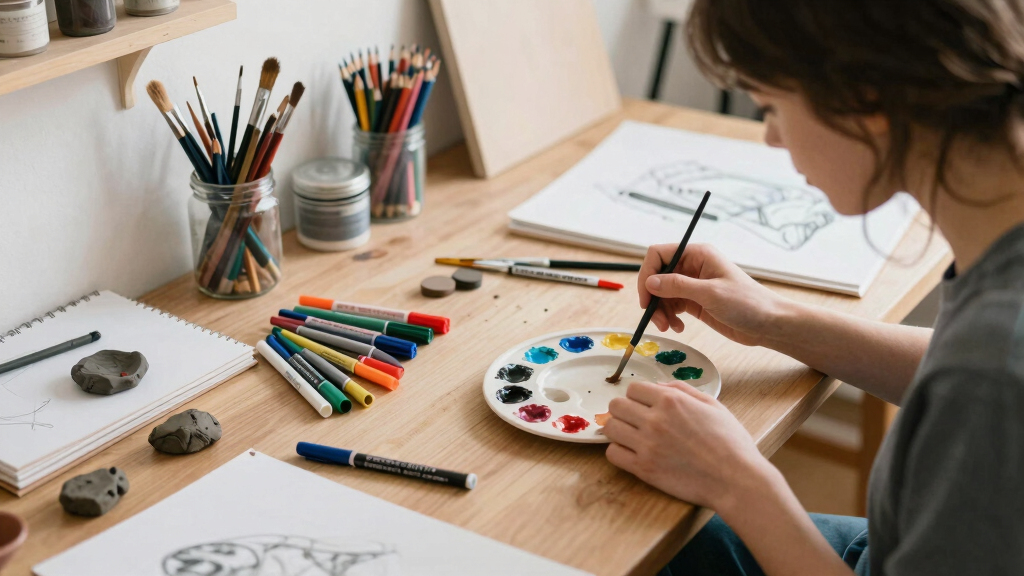
Starting with the basics keeps things simple. Essential supplies include a handful of pencils, erasers, and sharpeners for sketching. Add a sketchbook or drawing pad to keep ideas in one place. For color, colored pencils, markers, and watercolors are versatile choices.
Imagine a young artist creating their first comic strip or landscape — these tools are their foundation. Plus, a set of brushes and acrylic paints can unlock more vibrant, textured work.
As an affiliate, we earn on qualifying purchases.
How to Choose Art Supplies That Fit Your Budget and Skill Level
Start with entry-level options like Crayola or Arteza. They offer quality without breaking the bank. As skills improve, investing in professional-grade materials like Prismacolor or Winsor & Newton pays off because these tools tend to have better pigmentation, durability, and consistency, which can elevate the quality of artwork. However, it’s important to recognize the tradeoff: higher-quality supplies often come at a higher cost and may require more careful handling or storage. Choosing the right balance depends on your budget and your aspirations—sometimes, good mid-range supplies can provide a significant boost without the hefty price tag.
For example, a beginner might spend around $20 for a decent starter kit, while a more advanced student could invest $50–$100 for higher-quality tools that last longer and perform better. The key is understanding that investing in quality can reduce frustration and improve results, but it’s also okay to start small and upgrade over time.
Remember, quality matters — cheap, flimsy supplies can frustrate and discourage, leading to less practice and less enjoyment. The right choice encourages persistence and growth.
eco-friendly art supplies for students
As an affiliate, we earn on qualifying purchases.
As an affiliate, we earn on qualifying purchases.
Compare Top Art Supplies for Students First-Time Buyers
| Feature | Crayola | Arteza | Prismacolor | Winsor & Newton |
|---|---|---|---|---|
| Price Range | $ | $ | $$ | $$$ |
| Best For | Beginners & Kids | Students & Hobbyists | Advanced & Professional | |
| Color Range | Wide | Vast | Rich & Detailed | |
| Durability | Good | Very Good | Excellent |
As an affiliate, we earn on qualifying purchases.
How to Organize Art Supplies for Easy Access and Creativity
Think of your art space as a mini-studio. Use stackable drawers, pencil cases, or wall-mounted organizers to keep everything tidy. Clear containers let you see what’s inside, so you grab what you need quickly.
For example, a student might use a roll-up pencil case for portability and a small desktop organizer for brushes and paints. Label sections for easy access. Keeping supplies organized reduces frustration and sparks inspiration.
Beyond just tidiness, proper organization helps you understand your tools better. When you see your colored pencils arranged by hue or your brushes stored with their tips facing up, it can inspire more thoughtful and intentional use of your supplies. This kind of setup encourages regular practice, reduces the time spent searching for tools, and fosters a more professional mindset that can boost confidence and creativity.
As an affiliate, we earn on qualifying purchases.
Eco-Friendly Art Supplies That Make a Difference
More brands now offer biodegradable, non-toxic, and recycled materials. Imagine creating art with pencils made from recycled wood or watercolors in biodegradable packaging. These supplies reduce waste and protect the planet.
For example, companies like Eco-kids and Greenleaf produce eco-friendly options that are safe for all ages. Choosing these can turn art time into a lesson in sustainability — making every stroke a little more meaningful. Beyond environmental benefits, eco-friendly supplies often encourage more thoughtful consumption—prompting artists to consider the longevity and impact of their materials. This awareness can inspire a more sustainable art practice and foster a sense of responsibility in young creators.
Digital Art Tools: Are They Worth It for Students?
Yes, digital tools are increasingly relevant. A beginner might start with a tablet costing under $200 like the iPad with Procreate or Adobe Fresco. These tools allow students to experiment with colors, layers, and effects without the mess of traditional supplies, offering a flexible platform for exploration and learning.
Imagine a student sketching in class, then refining their work instantly on a tablet, which can be a game-changer in terms of speed and versatility. Digital art can supplement traditional supplies, especially for tech-savvy students or those interested in animation and design. However, it’s essential to recognize that digital tools often require an initial investment and a learning curve, and they do not replace the tactile experience that helps develop fundamental skills. Balancing digital and traditional methods can lead to a more well-rounded artistic education.
How to Pick Art Supplies for Different Age Groups
- For young children (ages 3-8): choose washable, non-toxic, chunky crayons and large markers that are easy to hold. These help develop fine motor skills and ensure safety, reducing concerns about messes or ingestion. The tradeoff is that these supplies might not offer the precision or richness of more advanced tools, but they are perfect for exploring creativity at a young age.
- For older kids and tweens (9-14): add sketchbooks, colored pencils, and beginner acrylic paints to encourage more detailed work and experimentation. These choices promote skill development and can introduce new techniques, but they also require some guidance on proper use and care to avoid frustration or waste.
- For teens and teens+: invest in professional-grade brushes, high-quality markers, and digital tablets to support advanced projects and skill refinement. While these tools can be more expensive, they help foster a serious artistic mindset, though the higher costs mean careful consideration of investment and storage.
Matching supplies to age is more than just safety—it’s about providing the right tools to nurture growth, confidence, and a lifelong love of art. The tradeoff between affordability and quality is key, but thoughtful selection at each stage can set the foundation for future artistic success.
Frequently Asked Questions
What are the absolute must-have art supplies for beginners?
Begin with a good set of pencils, erasers, a sketchbook, and basic watercolors or colored pencils. These cover most beginner projects and are budget-friendly.How do I pick age-appropriate art supplies?
Choose non-toxic, washable, and chunky tools for young kids. For older students, more detailed supplies like fine tipped markers and acrylic paints work well.Are digital art tools suitable for students?
Yes, especially for tech-minded students or those interested in animation. Tablets like iPads with Procreate make digital art accessible and fun, but traditional supplies are still essential for foundational skills.How can I keep art supplies organized?
Use stackable drawers, labeled containers, and portable cases. Keep frequently used items within reach and store less-used supplies separately.What eco-friendly art supplies should I look for?
Seek out biodegradable paints, recycled paper, and pencils made from sustainable wood. Brands like Eco-kids and Greenleaf offer great options for environmentally conscious art.Conclusion
The right art supplies turn blank pages into stories, colors, and ideas. Invest wisely, organize smartly, and don’t shy away from eco-friendly options. The best art begins with the tools you choose — make each one count.
Now, grab a pencil, a splash of color, and start creating. Your next masterpiece awaits — all it takes is the right supplies and a bit of courage to make your mark.
Halloween Picks
halloween
As an affiliate, we earn on qualifying purchases.