3D printing in construction is revolutionizing how buildings are designed and built. It allows you to create complex, organic shapes quickly and sustainably, using recycled or eco-friendly materials. You’ll find projects completed faster, with less waste and lower costs, while enjoying greater customization options. This innovative method pushes beyond traditional limits, opening new possibilities for greener and more efficient structures. Keep exploring to discover how this technology is shaping the future of construction.
Key Takeaways
- 3D printing transforms construction by enabling innovative, complex, and sustainable building designs beyond traditional methods.
- It enhances efficiency and reduces waste, leading to faster project completion and cost savings.
- The use of eco-friendly materials like recycled plastics promotes environmentally responsible construction practices.
- Rapid fabrication of building sections accelerates timelines and allows for greater customization.
- 3D printing positions itself as a key driver of future industry advancements in flexibility and sustainability.
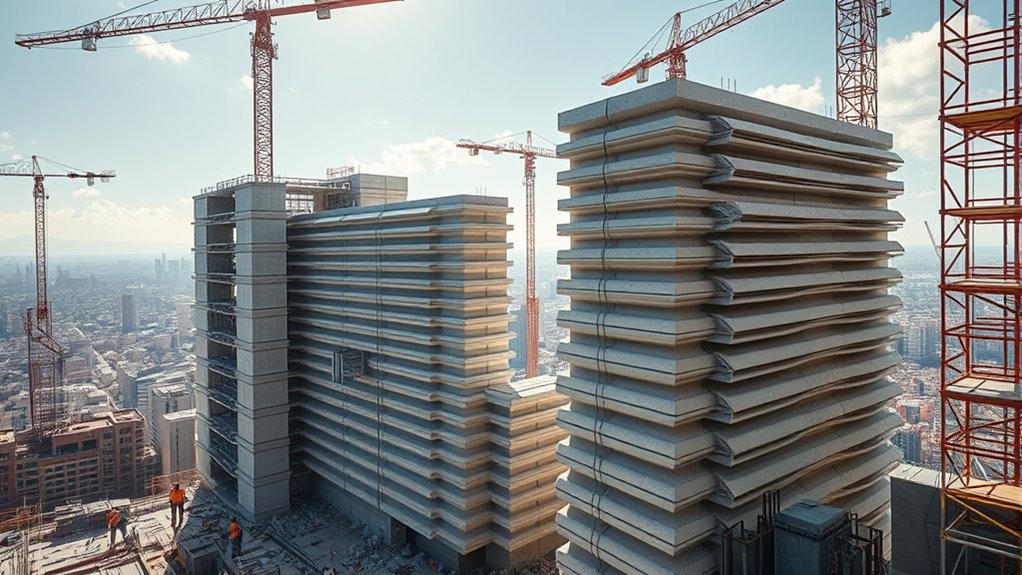
Have you ever wondered how 3D printing is transforming the construction industry? This innovative technology is opening doors to new possibilities, especially when it comes to using sustainable materials and enhancing design flexibility. Traditional construction methods often involve complex processes, substantial waste, and limited options for customization. But with 3D printing, you can create structures more efficiently, with less material waste, while also exploring intricate designs that were previously impossible or too costly to build. The ability to incorporate sustainable materials directly into the printing process means you’re not only reducing your environmental footprint but also improving the overall sustainability of your projects.
3D printing in construction boosts efficiency, sustainability, and design innovation by reducing waste and enabling complex, eco-friendly structures.
When you opt for 3D printing, you gain considerable design flexibility. You’re no longer limited by the constraints of conventional construction techniques. Instead, you can craft complex geometries, organic shapes, and intricate details directly into your structures. This flexibility allows for more personalized and innovative designs that suit specific aesthetic or functional needs. You can adapt your plans on the fly, making adjustments easily without the need for costly rework or extensive manual labor. This level of customization empowers you to push creative boundaries and develop architectural solutions that stand out.
Using sustainable materials in 3D printing not only benefits the environment but also enhances your project’s durability and efficiency. Many 3D printing companies are now experimenting with eco-friendly options like recycled plastics, bioplastics, and other biodegradable composites. These materials can often be sourced locally, reducing transportation emissions and costs. additionally, since 3D printing is a layer-by-layer process, you only use the exact amount of material needed, dramatically reducing waste compared to traditional methods. This efficiency can lead to considerable cost savings while aligning your projects with green building standards.
Integrating sustainable materials and leveraging design flexibility through 3D printing also accelerates project timelines. Traditional construction can take months or even years, but 3D printing can substantially cut down on fabrication and assembly time. You can print entire sections of a building in a matter of days, streamlining the construction process and enabling quicker project completion. This rapid turnaround not only benefits your bottom line but also allows for more innovative and responsive architecture, adapting to changing needs or environmental conditions.
In essence, 3D printing is revolutionizing construction by making it more sustainable, flexible, and innovative. As you explore this technology, you’ll find that it offers unmatched opportunities to create better, more environmentally friendly structures—faster, cheaper, and with greater design freedom than ever before.

Make: 3D Printing: The Essential Guide to 3D Printers
As an affiliate, we earn on qualifying purchases.
As an affiliate, we earn on qualifying purchases.
Frequently Asked Questions
What Are the Environmental Impacts of 3D Printing Materials?
You might wonder about the environmental impacts of 3D printing materials. Using sustainable materials reduces waste and lowers carbon footprints, making your projects more eco-friendly. Recycling practices for excess or failed prints further minimize environmental harm. While 3D printing can cut down on material use and waste, it’s essential to select eco-conscious materials and implement recycling to guarantee your construction efforts support environmental health.
How Does 3D Printing Affect Construction Labor Markets?
You might think 3D printing is changing construction—it’s like a seismic shift! It automates many tasks, reducing the need for traditional labor and creating new skill requirements. As automation shifts labor markets, skilled workers in digital design and machine operation become more valuable, while low-skill roles decline. This transformation pushes you to adapt your skills, but it also promises faster, more efficient building processes.
What Are the Cost Comparisons Between Traditional and 3D Printed Structures?
You’ll find that 3D printed structures often have lower overall costs compared to traditional methods. The main reason is significant cost savings on labor and faster build times. Material costs tend to be reduced because 3D printing uses precise amounts of material, minimizing waste. While initial equipment investment can be higher, the ongoing savings in labor and materials generally make 3D printing more economical in the long run.
How Do Regulatory Standards Adapt to 3D Printed Buildings?
Imagine trying to fit a new puzzle piece into an existing frame; regulatory standards face similar challenges with 3D printed buildings. Regulatory challenges arise because standardization processes lag behind technological advances. Authorities are developing adaptable codes, like modular puzzle pieces, ensuring safety and innovation align. You’ll see more tailored standards as agencies collaborate with industry experts, making regulations flexible enough to accommodate this evolving frontier in construction.
What Are the Limitations of Current 3D Printing Technology in Construction?
You face several limitations with current 3D printing technology in construction. Scaling challenges make it hard to print large, complex structures efficiently. Material limitations restrict the types of building materials you can use, often affecting durability and safety. Additionally, print speed can be slow, and quality control remains a concern. Overcoming these hurdles requires advancements in materials science and larger, more precise printing systems to fully realize this technology’s potential.

Bamboo Lab 1.75MM PLA Matte Filament High Speed Printing with RFID 1KG +/- 0.03mm Eco Friendly 3D Printer Filament for Bambu Lab P1P/P1S/X1C/X1/A1/A1 Mini (Without Spool) (Marine Blue 11600)
【Smooth & Beautiful Matte Finish】Achieve a premium frosted texture with a low-gloss, smooth surface. Bamboo Matte PLA filament…
As an affiliate, we earn on qualifying purchases.
As an affiliate, we earn on qualifying purchases.
Conclusion
As you step into this brave new world of 3D printing in construction, you’re witnessing the dawn of a revolution reshaping skylines and dreams alike. Like a master sculptor, this technology molds the future with precision and creativity, turning visions into tangible reality. Embrace the possibilities, for you’re not just building structures—you’re crafting the foundation of tomorrow’s world. The horizon is limitless, and your role in this exciting journey is just beginning.

JUNYAOHSU 3D Printer Tool Kit, 24pcs 3D Printer Nozzle Cleaning Tool Removal Tool Kit, Wire Brush, Wire Flush Cutter, Scraper Knife, Diamond Files, Tweezer, Putty Knife for 3D Printer, Model Building
[3D Printer Removal Tools Kit]: Design for 3D print model enthusiasts, encompassing all essential tools needed for cutting,…
As an affiliate, we earn on qualifying purchases.
As an affiliate, we earn on qualifying purchases.
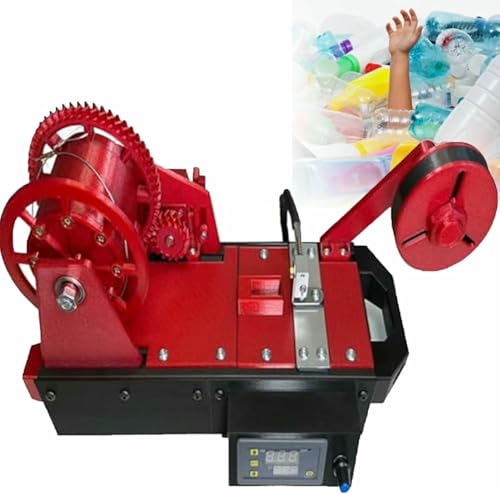
Pultrusion of 3D Filaments from Plastic Bottles, 3D Printer Filament Making Machine with Digital Temperature Control Converting Recycled Pet Bottles Network~/
–(3D Filament Extruder)Easily transform discarded plastic bottles into filament for 3D printing without the need for complex pre-processing….
As an affiliate, we earn on qualifying purchases.
As an affiliate, we earn on qualifying purchases.