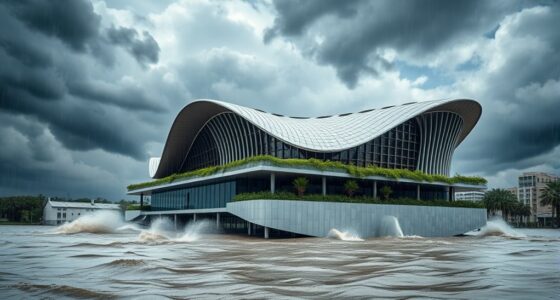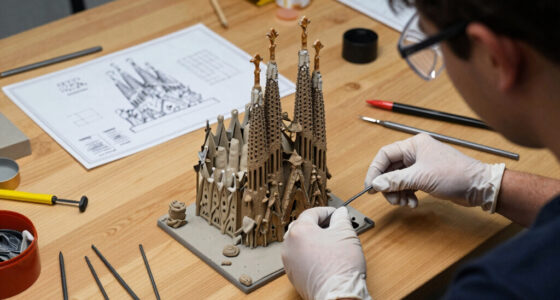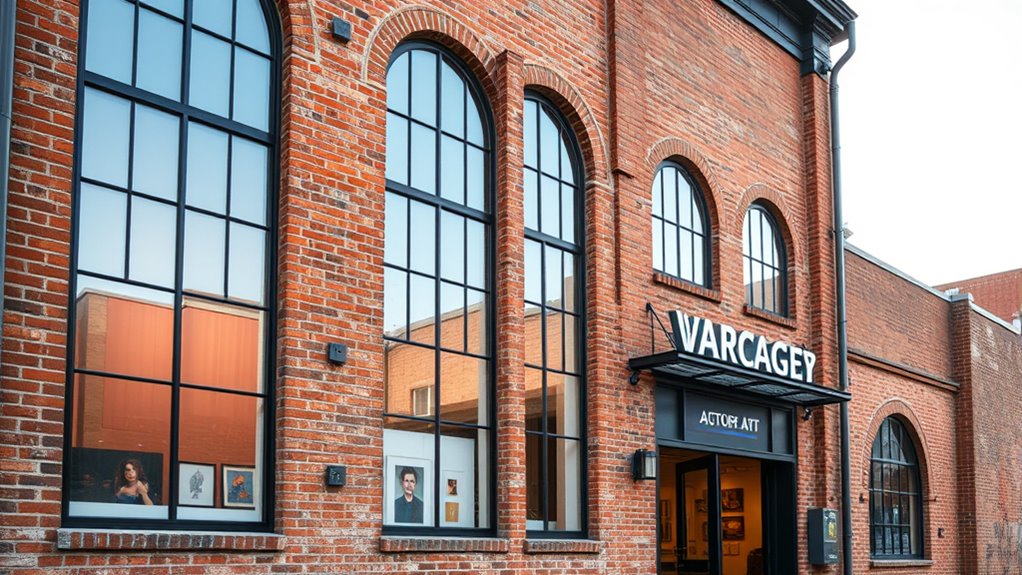

Adaptive reuse of historic buildings allows you to preserve their unique architectural and cultural character while adapting them for modern use. By transforming old structures into vibrant spaces, you help reduce environmental impact, promote urban revitalization, and support sustainable development. This approach maintains neighborhood identity and invites community engagement. If you want to see how historic preservation and sustainability work hand in hand, there’s much more to explore.

Get art and craft supplies delivered free with Prime
- Fast, free delivery on millions of items
- Prime Video, Amazon Music and more included
- Member-only deals all year
Key Takeaways
- Preserves cultural heritage while updating structures to meet modern needs.
- Boosts local economies by attracting businesses, residents, and tourists.
- Incorporates sustainable features like energy-efficient systems and renewable energy.
- Maintains architectural and historical integrity during adaptive upgrades.
- Supports urban revitalization, blending old charm with contemporary development.

Adaptive reuse of historic buildings offers a sustainable way to preserve cultural heritage while meeting modern needs. By repurposing existing structures, you actively contribute to modern sustainability efforts, reducing the demand for new construction and minimizing environmental impact. Instead of demolishing old buildings, you breathe new life into them, transforming their purpose to suit contemporary functions without sacrificing their historic significance. This approach helps maintain the architectural character of neighborhoods, fostering a sense of identity and continuity that resonates with residents and visitors alike. When you choose adaptive reuse, you’re not just saving a building; you’re preserving a story that connects the past with the present.
Urban revitalization is a key benefit when you embrace adaptive reuse. You help stimulate economic activity by attracting new businesses, residents, and tourists to areas that might otherwise face neglect or decline. Restoring and reimagining historic structures can transform blighted neighborhoods into vibrant hubs of activity, encouraging foot traffic and fostering community engagement. This process often sparks further development, inspiring nearby property owners to invest in their own buildings, which sustains the momentum of revitalization efforts. As you participate in adaptive reuse projects, you play a crucial role in reshaping urban landscapes into dynamic, sustainable environments that respect their heritage while accommodating growth.
Incorporating modern sustainability into historic buildings isn’t just about preserving aesthetics; it’s about making these structures energy-efficient and environmentally responsible. You can install advanced insulation, energy-efficient windows, and renewable energy systems like solar panels, all while maintaining the building’s historic integrity. These upgrades reduce operational costs and environmental footprints, aligning old buildings with today’s sustainability standards. As you retrofit these structures, you also promote responsible resource use, setting an example for future development projects. This practice demonstrates that respecting history and pursuing sustainability are not mutually exclusive but can work hand in hand to create resilient communities.
Ultimately, adaptive reuse creates a win-win situation for communities and the environment. You preserve the character and stories embedded in historic buildings, while simultaneously supporting urban renewal and modern sustainability. This approach encourages thoughtful development, blending the old with the new in ways that benefit everyone—residents, business owners, and visitors alike. By choosing adaptive reuse, you’re actively participating in shaping cities that honor their past while embracing the future, ensuring that these treasured structures continue to serve and inspire for generations to come.
energy-efficient windows for historic buildings
As an affiliate, we earn on qualifying purchases.
As an affiliate, we earn on qualifying purchases.
Frequently Asked Questions
How Does Adaptive Reuse Impact Local Property Values?
Adaptive reuse boosts your local property values by promoting historic preservation and encouraging economic revitalization. When historic buildings are repurposed creatively, they attract more residents and businesses, which increases demand for nearby properties. This revitalization often leads to higher property prices, improved neighborhood appeal, and a sense of community pride. Ultimately, your area benefits from a vibrant, preserved historic charm that makes properties more desirable and valuable over time.
What Are Common Challenges Faced During Adaptive Reuse Projects?
Did you know that 60% of adaptive reuse projects face significant structural challenges? You might encounter issues with historic preservation requirements that limit modifications, making renovations complex. Structural challenges, like outdated frameworks or unsafe materials, can delay projects and increase costs. You need to carefully plan and work with specialists to navigate these hurdles, ensuring the building’s integrity while preserving its historic value. Flexibility and expertise are your best tools for success.
How Do Zoning Laws Influence Adaptive Reuse Opportunities?
Zoning laws substantially influence your adaptive reuse opportunities by dictating land use and requiring zoning flexibility. These laws determine whether you can transform a historic building into a different use, like commercial or residential. If zoning restrictions are strict, you might face hurdles or need variances. Understanding local land use regulations helps you navigate these challenges, making it easier to repurpose historic buildings within legal frameworks.
What Are the Funding Options for Historic Building Reuse?
You can explore various funding options like tax incentives and grant programs for historic building reuse. Tax incentives, such as federal or state historic preservation tax credits, can substantially reduce your costs. Additionally, many local and national grant programs provide financial support for restoration projects. By applying for these grants and incentives, you improve your chances of successfully funding your reuse project while preserving the building’s historic value.
How Can Communities Benefit From Adaptive Reuse Initiatives?
You’ll witness your community transform into a vibrant hub of activity and pride through adaptive reuse initiatives. By engaging residents and local businesses, you foster a sense of ownership and connection. These projects promote sustainable development, saving resources and reducing waste. The revitalization attracts tourism, boosts local economies, and preserves history—all while making your community a more beautiful, lively, and sustainable place to live, work, and play.
As an affiliate, we earn on qualifying purchases.
Conclusion
By choosing adaptive reuse, you breathe new life into historic buildings, preserving their character while meeting modern needs. Imagine transforming an old warehouse into a vibrant community center, maintaining its industrial charm but offering new spaces for people to gather. This approach not only protects our heritage but also promotes sustainability and innovation. When you embrace adaptive reuse, you create a lasting connection between the past and the future, enriching your community for generations to come.
insulation for historic renovation
As an affiliate, we earn on qualifying purchases.
As an affiliate, we earn on qualifying purchases.
adaptive reuse building materials
As an affiliate, we earn on qualifying purchases.
As an affiliate, we earn on qualifying purchases.
Fall Picks
fall essentials
As an affiliate, we earn on qualifying purchases.