
Behind the curtain, curators build blockbuster exhibitions by forging collaborations with institutions, experts, and communities to bring diverse perspectives and rare collections together. They focus on engaging audiences through innovative storytelling, immersive environments, and interactive experiences that create emotional connections. By conducting audience research and partnering with educators, they guarantee accessibility and relevance. Keep exploring to discover how these strategies come together to make exhibitions memorable and impactful.
Key Takeaways
- Curators collaborate with institutions, experts, and communities to gather diverse perspectives and rare collections for a cohesive narrative.
- They prioritize audience engagement by designing immersive, multimedia experiences that foster emotional connections.
- Curators conduct research and partner with educators and community groups to tailor exhibitions and extend outreach beyond the museum.
- They foster partnerships to share resources, gain expertise, and create dynamic, memorable experiences that enhance the exhibition’s appeal.
- Building a blockbuster involves storytelling and emotional engagement that forge lasting cultural impressions and invite audience participation.

Ever wondered what goes into creating a blockbuster exhibition? It’s not just about gathering stunning artifacts or eye-catching visuals; it’s about crafting an experience that resonates deeply with visitors. As a curator, you understand that museum collaboration plays a vital role in this process. You reach out to other institutions, experts, and communities to bring diverse perspectives and rare collections together. This collaboration isn’t just about sharing resources — it’s about weaving different narratives into a cohesive story that appeals to a broad audience. By partnering with other museums, you ensure the exhibition has access to unique pieces and insights, elevating its appeal and credibility. These collaborations also help you tap into various networks, increasing visibility and drawing in larger crowds.
Successful exhibitions thrive on collaboration, weaving diverse narratives to captivate and inspire broad audiences.
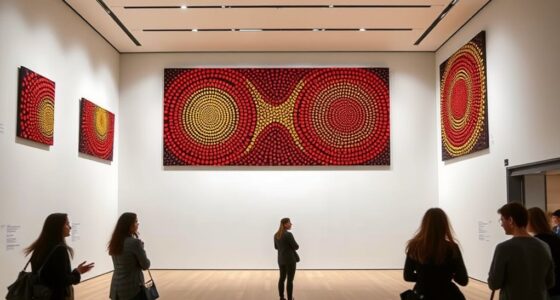
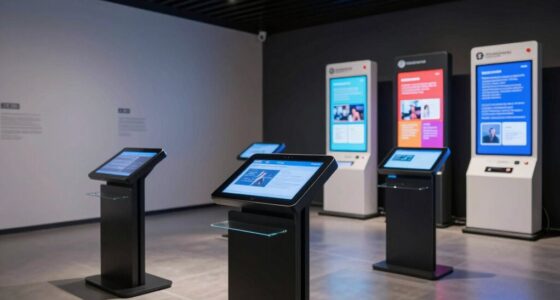
But the core of a blockbuster exhibition isn’t just the objects on display; it’s how you engage your audience. Audience engagement is central to transforming a static collection into an unforgettable experience. You think carefully about the layout, lighting, and interactive components to encourage visitors to explore actively rather than passively observe. You incorporate multimedia displays, immersive environments, and hands-on activities that spark curiosity and foster emotional connections. You want visitors to feel like they’re part of the story, not just spectators. To achieve this, you craft narratives that are accessible and compelling, breaking down complex themes into relatable stories that resonate across different age groups and backgrounds.
Throughout the planning process, you keep your audience at the forefront. You conduct research on visitor interests and behaviors, tailoring the exhibition to meet their expectations while also challenging them to see things differently. You collaborate with educators and community groups to develop programs and outreach initiatives that extend the exhibition’s reach beyond the museum walls. This engagement builds a sense of ownership and pride among visitors, encouraging them to share their experiences and spread the word.
Your ability to innovate and collaborate directly influences the exhibition’s success. When you foster strong museum partnerships, you gain access to a wider range of resources, expertise, and ideas. This synergy allows you to create a more dynamic, engaging, and memorable experience for your audience. Ultimately, a blockbuster exhibition isn’t just about impressive objects; it’s about the connections you forge, the stories you tell, and the way you invite your audience to become part of something bigger. You shape not just an event, but a cultural moment that leaves a lasting impression.
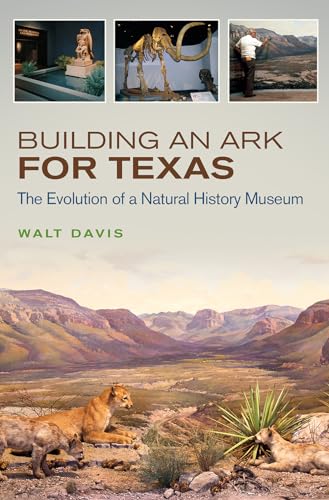
Building an Ark for Texas: The Evolution of a Natural History Museum (Volume 54) (W. L. Moody Jr. Natural History Series)
As an affiliate, we earn on qualifying purchases.
As an affiliate, we earn on qualifying purchases.
Frequently Asked Questions
How Do Curators Choose Themes for Blockbuster Exhibitions?
You choose themes for blockbuster exhibitions by aligning your curatorial vision with current trends and interests. You consider what will capture audience engagement and spark curiosity. You analyze cultural relevance, potential stories, and the appeal of the subject matter. By balancing artistic significance with popular appeal, you craft compelling themes that resonate deeply with visitors, ensuring a memorable experience that draws in diverse audiences and elevates the exhibition’s impact.
What Role Do Sponsors Play in Exhibition Development?
Did you know that sponsorship influence can account for up to 40% of an exhibition’s funding? As a visitor, you might not see sponsors directly, but they play an essential role in development. Sponsorships help shape the exhibition’s scope and resources, while funding strategies ensure smooth execution. Your experience relies on these partnerships, which enable curators to create engaging, high-quality displays that captivate and educate audiences like you.
How Do Curators Balance Educational Content With Entertainment?
You balance educational content with entertainment by focusing on museum storytelling that captivates your audience. You design exhibits that are visually engaging while delivering meaningful information, ensuring visitors stay engaged and learn. By incorporating interactive elements and compelling narratives, you enhance audience engagement, making the educational aspects feel like a natural part of the experience. This approach helps you create memorable, informative exhibitions that resonate with diverse visitors.
What Challenges Arise in Sourcing Rare or Fragile Artifacts?
When sourcing rare or fragile artifacts, you face challenges like ensuring proper artifact preservation during transport and display. Sourcing logistics become complex as you coordinate with multiple institutions, navigate legal restrictions, and handle delicate handling procedures. You must carefully plan to protect the artifacts from damage, secure necessary permits, and manage transportation so the artifacts arrive safely. These efforts are vital to maintaining the integrity and safety of the artifacts throughout the exhibition process.
How Is Visitor Feedback Integrated Into Future Exhibitions?
Your feedback is like a lighthouse guiding future exhibitions. You’re encouraged to share your thoughts through visitor surveys, which provide valuable insights. Curators then analyze this feedback to identify what resonated or fell flat. This feedback analysis shapes upcoming displays, ensuring they’re more engaging and relevant. By listening to your voice, curators create exhibitions that truly connect with visitors, turning every experience into a shared journey of discovery.
immersive multimedia presentation equipment
As an affiliate, we earn on qualifying purchases.
As an affiliate, we earn on qualifying purchases.
Conclusion
As you step back from the whirlwind of planning and execution, remember that each blockbuster exhibition hides secrets yet to be uncovered. The true magic isn’t just in the artifacts or displays, but in the unseen decisions, risks, and moments of doubt that shape it all. Just when you think the curtain has fallen, a new story begins—waiting quietly behind the scenes, ready to challenge everything you thought you knew. The next reveal is always just around the corner.

Report Of The Commission On Heating, Lighting, & Ventilation
As an affiliate, we earn on qualifying purchases.
As an affiliate, we earn on qualifying purchases.

Teaching Artist Handbook, Volume One: Tools, Techniques, and Ideas to Help Any Artist Teach
As an affiliate, we earn on qualifying purchases.
As an affiliate, we earn on qualifying purchases.