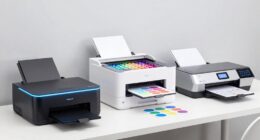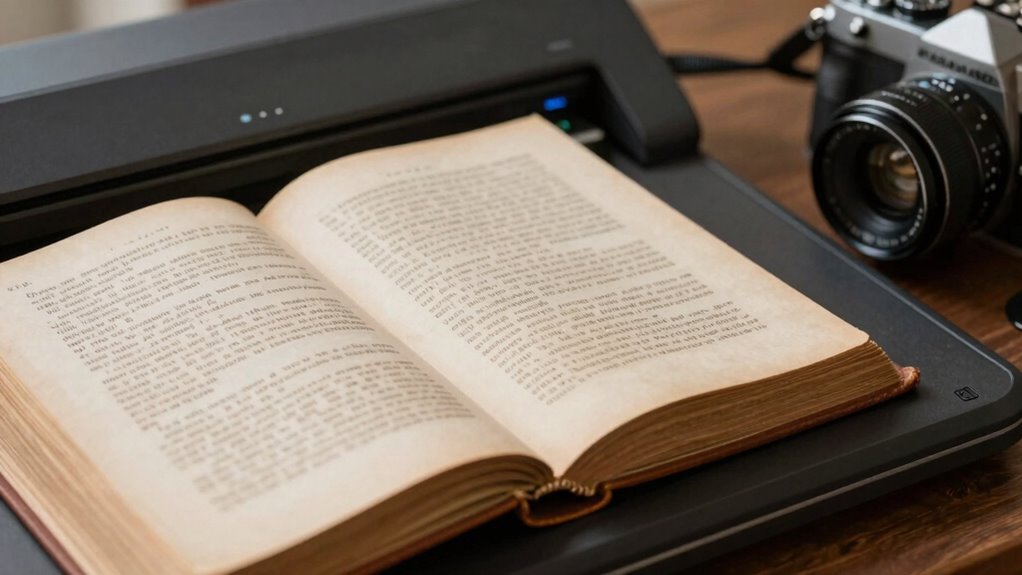

When digitizing books, you cross the line ethically and legally when you don’t respect copyright laws, handle fragile materials improperly, or fail to seek permission for protected content. Fair use helps, but only in specific cases like education or research, with limits on the amount used. To stay responsible, verify copyright status and follow proper procedures. If you want to know how to navigate these boundaries correctly, keep exploring the key guidelines.
Key Takeaways
- Ensure proper legal permissions or rely on fair use when digitizing copyrighted works.
- Avoid excessive copying that could harm the market value or infringe on the creator’s rights.
- Handle fragile books carefully to prevent physical damage during the digitization process.
- Respect cultural sensitivities and privacy concerns associated with certain materials.
- Follow transparent policies and standards to balance access, preservation, and legal compliance.
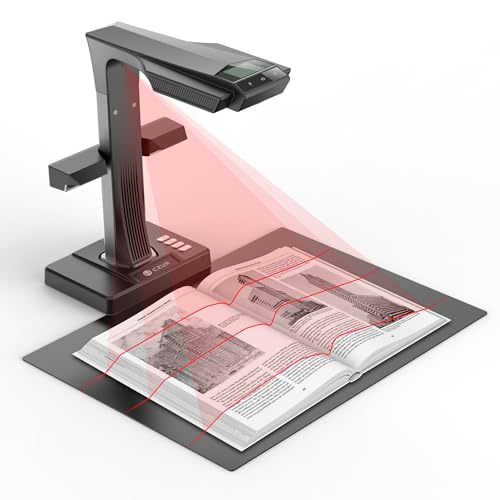
CZUR ET24 Pro Professional Book Scanner, 24MP Document Camera, 3rd Gen Auto-Flatten & Deskew Tech, A3 Document Scanner, 180+ Languages OCR, Support HDMI, for Windows/MacOS/Linux
Flattening Technology Upgraded: ET24 Pro computer scanner applies CZUR’s latest technology that can flatten the 3D curved surface…
As an affiliate, we earn on qualifying purchases.
As an affiliate, we earn on qualifying purchases.
What Is Book Digitization and Why Does It Matter?

Have you ever wondered how old books become available online? Book digitization plays a crucial role in digital preservation, guaranteeing that rare and valuable titles are protected from physical deterioration. By converting physical books into digital formats, you help safeguard cultural heritage for future generations. Digitization makes these works accessible to anyone, anywhere, breaking down geographical and physical barriers. It also enables digital archiving to better organize and preserve collections, ensuring long-term accessibility. It is vital to use proper digitization techniques to prevent damage to delicate materials during the process. This process preserves the integrity of historic texts while expanding their reach. Additionally, color accuracy in the digitization process is essential to capture the true appearance of original materials, ensuring faithful reproductions. Employing advanced scanning technology can significantly improve the fidelity and efficiency of the process. Ultimately, book digitization matters because it keeps cultural heritage alive, accessible, and protected in the digital age. Your support for these efforts helps ensure that knowledge and history endure.
high resolution document scanner
As an affiliate, we earn on qualifying purchases.
As an affiliate, we earn on qualifying purchases.
When Is Digitizing a Book Ethical and Legal?

You need to understand when digitizing a book is both ethical and legal, especially regarding copyright laws and fair use. Not all copies are free to scan, and exceptions like fair use can be complex to navigate. Knowing these rules helps you avoid infringing rights while making the most of legal opportunities. Awareness of copyright restrictions is crucial when considering digitization projects. Additionally, understanding the ethical implications of authenticity and self-identity can influence decisions about digital reproductions and their impact on cultural preservation. Recognizing the significance of digital ethics ensures that digitization efforts respect both legal boundaries and cultural values, particularly given the importance of respecting intellectual property rights in protecting creators’ contributions.
Fair Use Considerations
When does digitizing a book cross the line from fair use to infringement? Understanding this depends on several factors. First, consider the historical context—how the law has evolved to balance creators’ rights with public access. Second, the technological impact plays a role, as digital tools make copying easier but also raise questions about fair use boundaries. Third, the purpose of your digitization matters: educational, non-profit, or transformative uses lean toward fair use. Fourth, the amount of content copied influences legality; limited excerpts are more likely to qualify. By evaluating these aspects, you can better determine if your digitizing efforts fall within fair use, respecting the legal and ethical boundaries established over time.
Copyright Laws and Exceptions
Determining whether digitizing a book is both ethical and legal hinges on understanding the complexities of copyright laws and their exceptions. Copyright infringement occurs when you reproduce or distribute a work without permission, risking legal consequences. However, laws recognize certain exceptions to protect access to knowledge, such as fair use or library exemptions. These exceptions allow you to digitize works for specific purposes like research or education, provided you meet criteria like non-commercial use and limited copies. It is crucial to know that not all digitization falls within these boundaries, especially when dealing with copyrighted material. Respect for intellectual property rights helps ensure ethical practices, preventing unauthorized copying that undermines creators’ rights. Always verify if your project qualifies under legal exceptions before proceeding with digitization.

KODAK Slide N SCAN Film & Slide Scanner Digitizer with 5” LCD Screen, Quickly Convert Negatives & Slides to Digital 22MP JPEG Photos, Compatible with 135, 126 and 110 Film & Slides
SAVE OLD PHOTO MEMORIES: 1422MP Digital Film Scanner Lets You View, Edit and Convert Your Old Color and…
As an affiliate, we earn on qualifying purchases.
As an affiliate, we earn on qualifying purchases.
What Are the Risks of Digitizing Copyrighted or Fragile Books?
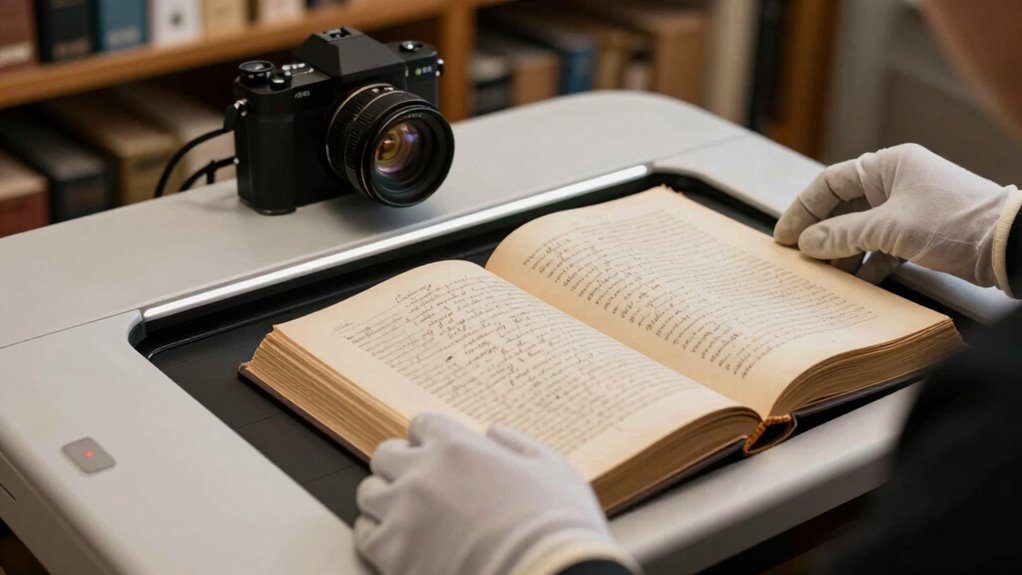
Digitizing copyrighted books can expose you to legal risks if you don’t have proper permission. Handling fragile volumes also risks causing damage that may be irreversible. Both issues highlight why careful planning is essential before starting a digital archive. Additionally, understanding privacy policies and how cookies are managed can help protect user data during digital projects. Being aware of digital preservation techniques can further safeguard against the deterioration of physical materials over time. Moreover, applying copyright compliance practices is crucial to avoid infringement and legal complications.
Legal Risks of Digitization
Digitizing copyrighted or fragile books can pose significant legal risks because it may violate intellectual property laws or cause unintentional damage to valuable materials. If you’re involved in digital preservation, understanding these risks is essential. Here are four key concerns:
- Copyright infringement: Unauthorized digitization can breach intellectual property rights, leading to legal action.
- Licensing issues: Without proper permissions, your digital copies may be considered illegal reproductions.
- Liability for damages: Accidentally damaging fragile books during scanning can result in legal claims for loss or deterioration.
- Institutional repercussions: Institutions may face fines or sanctions if they’re found to violate copyright laws or mishandle copyrighted materials.
Being aware of these risks helps you navigate the legal landscape while pursuing digital preservation responsibly.
Damage to Fragile Volumes
Handling fragile books during digitization carries significant risks because the process can inadvertently cause physical damage. Fragile volumes are especially vulnerable to tears, creases, and deterioration from improper handling. This raises serious preservation concerns, as even careful handling procedures can’t fully eliminate the risk. Excessive force or incorrect page-turning methods can weaken bindings or cause pages to tear. Using unsuitable equipment, like flatbed scanners or inappropriate lighting, can also accelerate deterioration. To minimize damage, you need to follow strict handling procedures, such as supporting delicate pages and limiting exposure to light and physical stress. Recognizing these risks is vital to ensuring the long-term preservation of fragile volumes while digitizing, especially when dealing with historically or culturally significant materials.

CZUR Aura Pro Book & Document Scanner,Capture A3 & A4, Auto-Flatten & Deskew Powered by AI Technology, Foldable & Portable, Compatible with Windows & Mac OS
Compatibility: Work with macOS 10.13 or later AND Windows XP/7/8/10/11
As an affiliate, we earn on qualifying purchases.
As an affiliate, we earn on qualifying purchases.
How Can You Digitize Responsibly and Respect Copyright Laws?

To digitize responsibly and stay within copyright laws, you need to understand the legal boundaries that protect authors and publishers. Recognizing what falls into the public domain is key, as these works can be freely digitized without restrictions. Additionally, practicing good digitization ethics means respecting licensing agreements and avoiding unauthorized copies. Here are four ways to ensure responsible digitization: 1. Verify if the work is in the public domain before digitizing. 2. Seek permission from copyright holders when necessary. 3. Limit the scope of digitization to avoid infringing on protected content. 4. Stay informed about copyright laws and fair use guidelines. Understanding copyright regulations is essential for maintaining ethical standards in content digitization.
What Is Fair Use, and How Does It Help?

Have you ever wondered how you can use copyrighted works without violating laws? That’s where fair use comes in. Fair use lets you use parts of copyrighted material for specific purposes like education, criticism, or research, without risking copyright infringement. It’s a crucial tool for digital preservation, allowing libraries and individuals to share and access works responsibly. Fair use considers factors like the purpose of use, the amount used, and the impact on the market value. Additionally, understanding modern technology integration can help you better assess how digitization impacts copyright. Recognizing market impact is essential for evaluating whether a particular use qualifies as fair. By understanding fair use, you can navigate the legal landscape more confidently, ensuring your digitization efforts respect copyright laws. This balance helps protect creators’ rights while promoting access to knowledge. Fair use isn’t a free pass, but it offers necessary legal space for responsible book scanning, especially when considering auditory processing and related challenges in digital content. Moreover, being aware of copyright limitations can guide ethical decision-making in digital content management. Being mindful of content sharing practices can further support responsible digitization efforts and fair use application.
Tips for Ethically Digitizing Books Safely
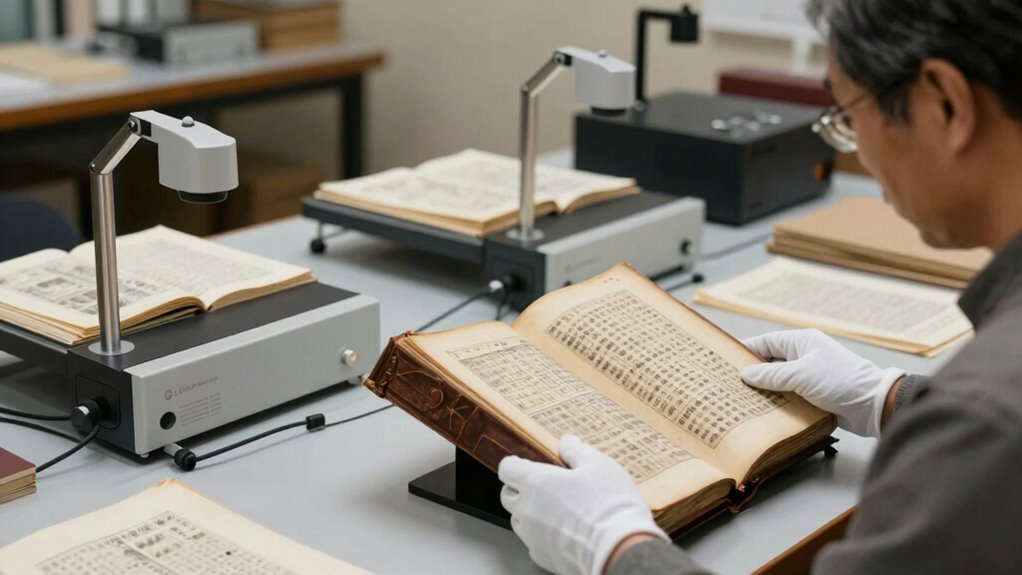
When digitizing books ethically and safely, it’s essential to respect copyright laws while preserving access to knowledge. To guarantee responsible digital preservation, follow these tips:
- Verify the copyright status and prioritize ethical sourcing of materials.
- Use high-quality scanners to protect the integrity of the original work.
- Limit digitization to the amount permitted under fair use or obtain necessary permissions.
- Store digital files securely, backed up, and accessible only to authorized users.
What’s Next for Book Scanning and Ethical Guidelines?

What’s next for book scanning and ethical guidelines? As technology advances, you’ll need to focus on balancing digital preservation with respecting cultural heritage. Developers and institutions are working toward creating standards that protect authors’ rights while ensuring valuable texts are accessible. Ethical guidelines will evolve to address issues like copyright, privacy, and the potential for misuse. You should expect more transparent policies that encourage responsible digitization, especially for fragile or culturally significant materials. Collaboration across institutions and communities will become essential, fostering shared responsibility. Additionally, establishing clear digital rights management protocols will be crucial in safeguarding intellectual property. Furthermore, ongoing dialogue about ethical digitization practices will help shape policies that reflect societal values. Emphasizing cultural sensitivity in digitization efforts will be key to respecting diverse perspectives. As the field progresses, developing standardized procedures will be vital to maintain consistency and fairness in digitization efforts. Moreover, integrating stakeholder input from creators, communities, and experts will ensure guidelines are comprehensive and inclusive. Ultimately, future guidelines aim to preserve our cultural heritage digitally, without crossing ethical lines. Staying informed and advocating for balanced practices will help you contribute to a sustainable, respectful digital archive for generations to come.
Frequently Asked Questions
How Do Cultural Sensitivities Impact Book Digitization Practices?
You need to contemplate cultural sensitivities because cultural taboos can make digitizing certain books disrespectful or offensive. By practicing respectful digitization, you show respect for different beliefs and traditions. It’s important to research and understand the cultural significance of materials before digitizing them. This approach helps prevent unintentional harm, preserves cultural integrity, and fosters trust with communities that hold these texts sacred or sensitive.
Are There Specific Guidelines for Digitizing Rare or Sacred Texts?
Like walking through a sacred forest, digitizing rare or sacred texts requires careful guidelines. You should prioritize digital access that respects cultural and spiritual significance, ensuring preservation remains paramount. Follow institutional policies, consult cultural custodians, and balance open access with safeguarding traditions. These steps help prevent harm, honoring the texts’ integrity while making them accessible for future generations. Your responsible approach keeps the spirit of the texts alive in the digital sphere.
What Are the Ethical Considerations for Private Versus Public Book Digitization?
You should consider copyright conflicts and privacy concerns when digitizing books for private or public use. For private collections, protect personal information and respect copyright laws to avoid legal issues. When digitizing for the public, guarantee you have proper rights, avoid infringing on copyrights, and consider the privacy of individuals referenced in the texts. Balancing these ethical factors helps you responsibly share knowledge without causing harm or legal trouble.
How Can Institutions Balance Access and Preservation Ethically?
Imagine a delicate balance beam, where your goal is to keep knowledge accessible without risking its decay. To do this, you set access limitations that prevent overuse while prioritizing preservation. You must carefully weigh the importance of widespread access against long-term preservation priorities, ensuring that digitized collections remain available for future generations. By respecting both, you uphold ethical standards, safeguarding cultural treasures while sharing their value responsibly.
What Role Do Publishers and Authors Play in Digital Archiving Ethics?
Publishers and authors play a crucial role in digital archiving ethics by safeguarding intellectual property and managing digital rights. You should respect their rights by obtaining proper permissions before digitizing or sharing their works, ensuring fair use, and adhering to licensing agreements. By doing so, you support ethical practices that honor creators’ rights while promoting access and preservation responsibly. Your actions help balance innovation with respect for intellectual property laws.
Conclusion
Exploring the world of book digitization is like walking a tightrope—you want to preserve knowledge without crossing legal lines. By understanding ethical guidelines and respecting copyright laws, you guarantee your efforts are both meaningful and responsible. Think of it as tending a delicate garden; with care and awareness, you can help ideas flourish digitally without causing unintended harm. Stay informed, act ethically, and let your digitization journey be a beacon of respect for creators and readers alike.